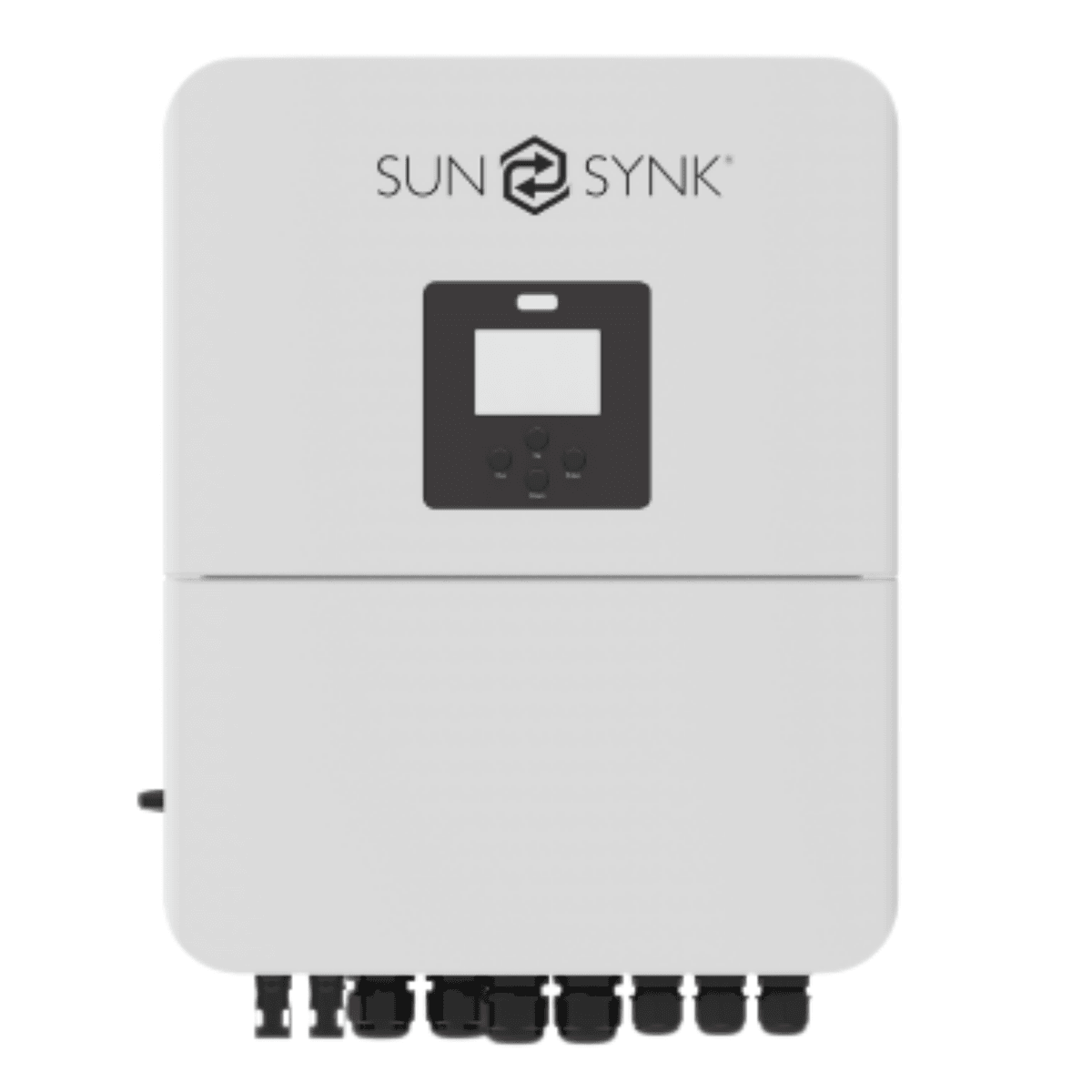
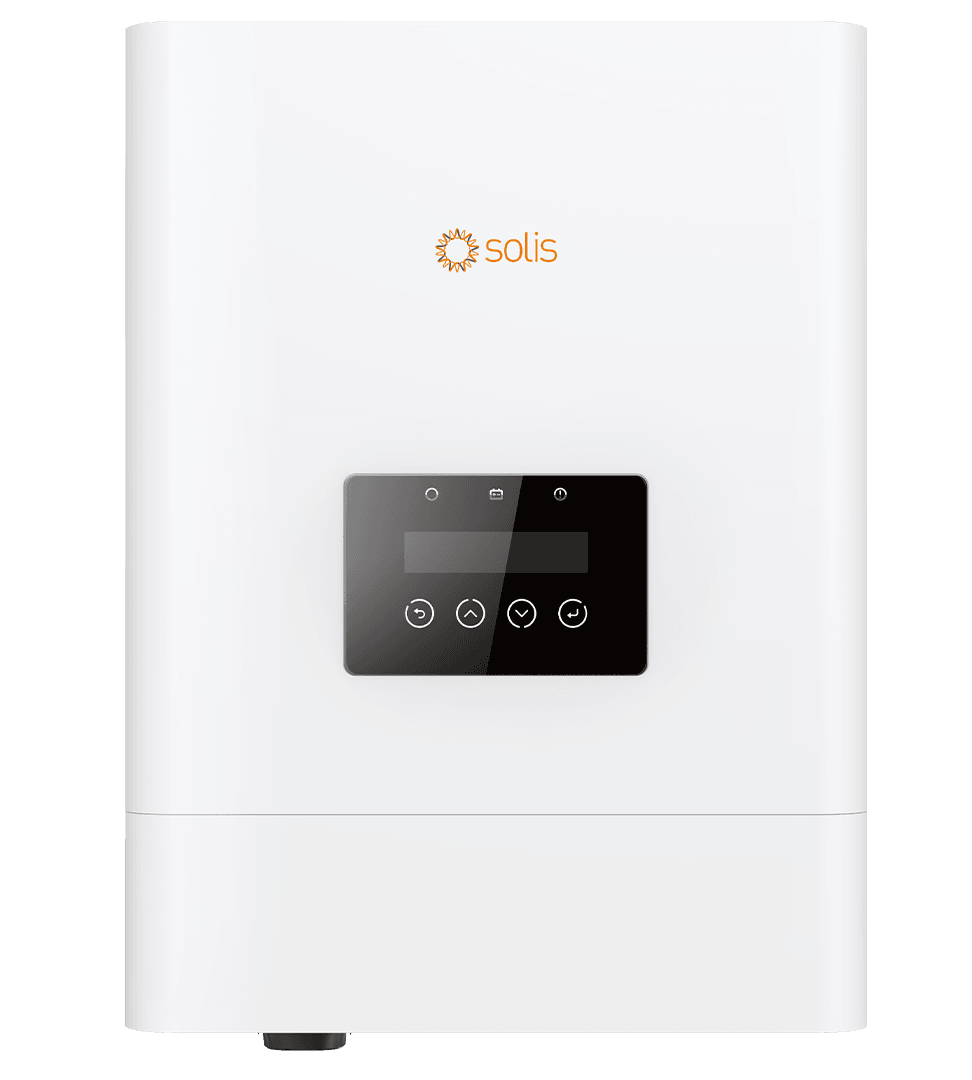
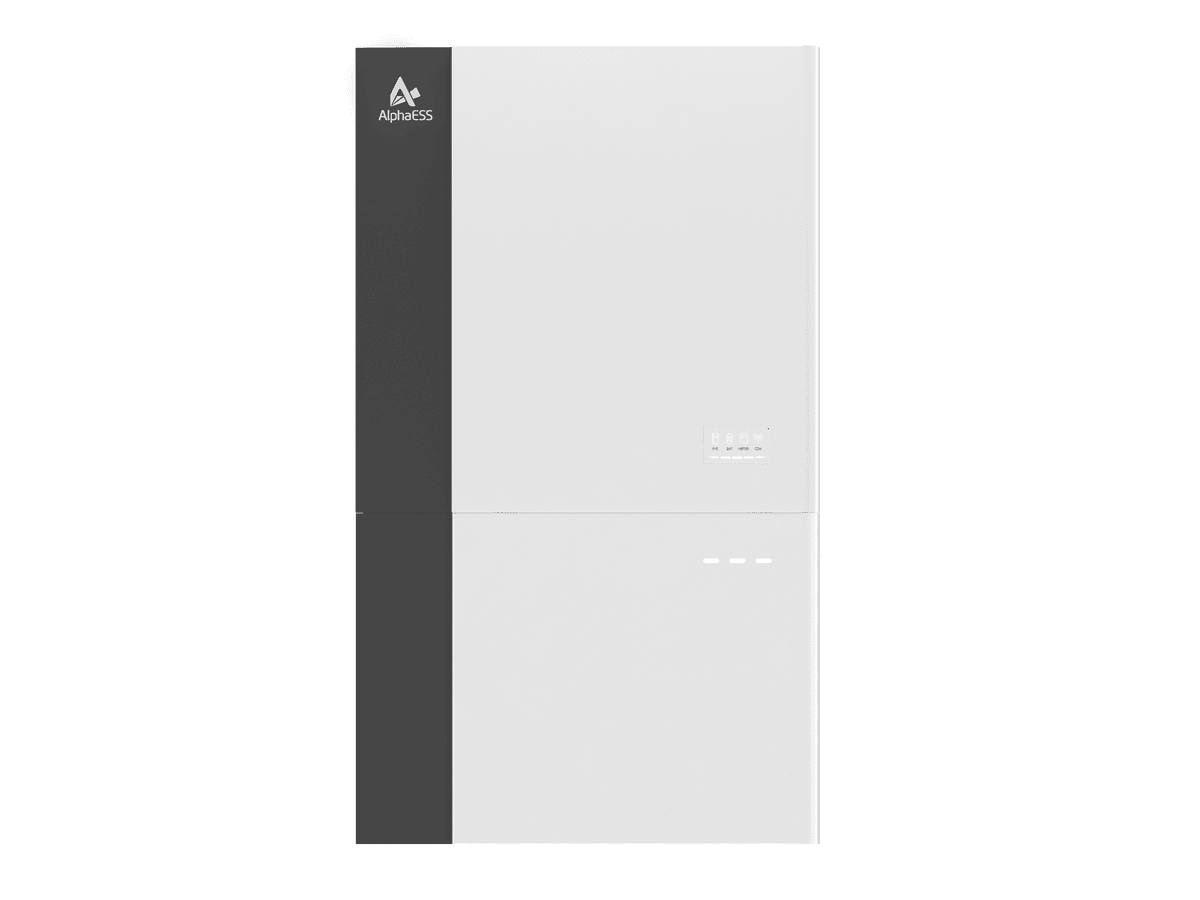
The right inverter and battery pairing matters more than a headline kW or kWh figure. See the models currently listed by SolarGuide, then ask for a quote based on your home and usage.
When the lights go out at 18:00 on a winter evening in Joburg, you have roughly three ways to keep your home running: fire up a petrol generator, switch over to an inverter-and-battery trolley, or draw quietly from a solar-and-battery system on your roof. All three "work". But they cost wildly different amounts, behave very differently at 2am, and lead to very different bills over the next five years.
Let's skip the marketing. This is how the three options actually feel to live with in a South African home: the noise, the petrol queues, the fridge that trips, and what lands on your bill. Pick the one that fits your house, not the one that fits a salesperson's target.
Key takeaways
Generators are the cheapest to buy and the most annoying to live with. Fuel, noise, fumes and manual starts add up fast.
Inverter-battery trolleys are silent and affordable, but capacity is limited and they do nothing to your Eskom bill.
Solar-plus-battery costs the most upfront. It's also the only option that carries you through load-shedding and shrinks your electricity bill every month.
Financing changed the maths. A solar system on rent-to-own can cost less per month than what many households already waste on petrol and replacement inverters.
The three options, quickly explained
A generator burns petrol or diesel to produce electricity on demand. You keep it in the yard, start it when the power goes, and it runs for as long as you feed it fuel. Common household units range from small 2kVA petrol machines to bigger 5-8kVA diesel sets.
An inverter-battery system (often a plug-and-play "trolley" or a small wall-mounted setup) stores energy in a battery and converts it to 230V AC when the grid drops. It charges from your wall socket when Eskom is on, then discharges during load-shedding. There's no engine, no fuel and no noise. If you are weighing a plug-in UPS or a portable power station against an installed system, see our UPS vs inverter vs portable power station comparison.
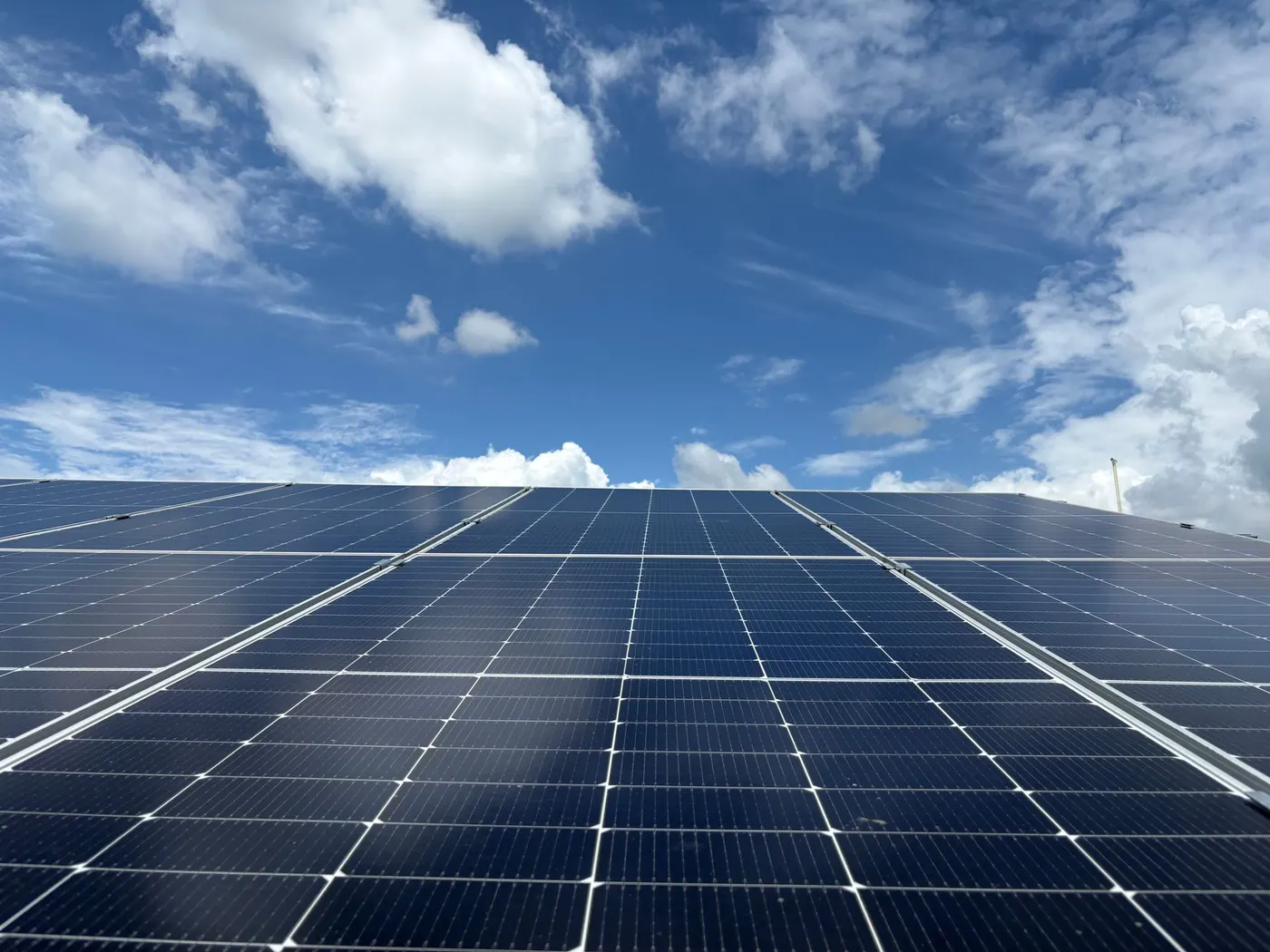
Solar adds photovoltaic panels to that inverter-and-battery core. The panels charge the battery during the day and can run your home directly, so you're not just storing grid power, you're making your own. This is the only option that reduces what you buy from Eskom.
Upfront cost: where generators win
There's no getting around it: a generator is the cheapest way to get backup power this weekend. A basic petrol generator that runs a few lights, a TV and a Wi-Fi router can be had for a few thousand rand. That low entry price is exactly why generators flooded South African garages during the worst load-shedding years.
Inverter trolleys sit in the middle. A decent lithium unit that can carry essentials for a couple of hours runs from around R10,000 to R25,000 depending on battery size.
Alumo's current subscriptions are the Hot Deal from R1,299/month, Peachy Deal from R1,699/month, and Big Deal from R2,599/month. Maintenance and insurance are included, and the advertised terms include an option to cancel after 24 months; subscription is not ownership.
Not sure which system you need?
Get a free, no-obligation quote sized to your home, usage and budget. It only takes a minute.
The sticker price is only the beginning. A generator has a meter running every second it's on.
Fuel is the obvious one. During a run of Stage 4 load-shedding (roughly four to six hours of outages a day) a mid-size petrol generator can chew through a serious amount of petrol a week. Multiply that across a month and the "cheap" generator quietly becomes one of the most expensive things in your home. Then add servicing, oil, replacement spark plugs and the engine wear.
Inverters and solar have almost no running cost. An inverter simply borrows grid power and hands it back later, so you pay a small efficiency loss and nothing else. Solar goes one better: the sun is free, so the energy filling your battery each day costs you nothing and actively replaces power you'd otherwise buy.
The bill test
Here's the simplest way to think about it. After five years:
A generator has cost you its purchase price plus thousands in fuel and servicing, and you still owe Eskom every month.
An inverter has cost its purchase price, likely one battery replacement, and you still owe Eskom every month.
A solar system has cost its monthly instalments, but it has been shaving your Eskom bill the entire time, and at the end you own an asset that keeps paying you back.
Living with it: noise, fumes and the 2am start
Numbers aside, backup power is something you live with, often in the dark and often when you're tired.
Generators are loud. Your neighbours in that Pretoria complex will hear it, and so will you. They produce exhaust fumes, so they can't run in a garage or near open windows. Carbon monoxide is a genuine danger. And most need manual starting, which means getting up, going outside in the cold and yanking a cord while your Wi-Fi router reboots.
Inverters and solar are silent and automatic. Good systems switch over so fast you barely notice the grid dropped. The TV keeps playing, the router stays on, the fridge never clicks off. There's nothing to start, nothing to refuel, nothing to wheel outside in the rain.
For load-shedding that hits in the middle of the night, this difference is enormous. Solar and inverter systems do their job while you sleep. A generator wakes the whole street.
Capacity: what each can actually run
Generators can deliver a lot of instantaneous power, which is handy for heavy loads. But you're limited by the machine's rating and by how much fuel you're willing to burn.
Inverter trolleys are the most limited. They're brilliant for the essentials (Wi-Fi, lights, TV, laptops, phone chargers, a fridge) but ask them to run a kettle, geyser or oven and a small unit will trip instantly. Their battery also only holds so much, so runtime is measured in a couple of hours, not a full evening.
Alumo's current solar-plus-battery rent-to-own range uses a Solis 5kW inverter and Eenovance 5.32kWh battery: Watt-a-Deal has three 615W panels from R1,418/month, The Big Watt has four from R1,487/month, and The Power Bae has six from R1,626/month on a seven-year term. Three- and five-year prices, solar-only configurations and battery-only pricing are available on our current package comparison.
You need something tonight, on the tightest budget, and only occasionally. A generator is the pragmatic short-term buy. Just budget for fuel and expect the noise.
You want silent, hassle-free backup for essentials and you rent or can't install on the roof. An inverter trolley is a sensible middle path.
You own your home, load-shedding keeps coming back, and your Eskom bill is climbing. Solar-plus-battery is the only option that solves both problems at once, and with financing it's more reachable than most people assume.
For most homeowners who plan to stay put, the long game favours solar. You stop paying for load-shedding twice, once for the backup and again for the grid. Before you commit to any of them, it's worth running your own numbers → against what you're spending now.
Free tool
How long will your battery last?
Pick a battery size and what you want to keep running.
5.0 kWh
Estimated backup time
12.9 hours
Running about 350 W
Rough estimate at ~90% usable depth. Real runtime depends on the exact appliances and battery. A quote sizes it properly.
Get a free quote → and see how a right-sized system compares to what you're already spending on petrol and replacements.
Frequently asked questions
Is a generator or inverter cheaper to run during load-shedding?
An inverter is dramatically cheaper to run. It stores grid power and gives it back, so its only cost is a small efficiency loss. A generator burns petrol or diesel every minute it's on, and over a month of load-shedding that fuel cost often dwarfs the machine's purchase price.
Can an inverter replace a generator completely?
For most homes running essentials (lights, Wi-Fi, TV, fridge, chargers) yes, and far more pleasantly. The limits are total battery capacity and heavy appliances like kettles and geysers. If you need to run high-draw loads for long stretches, you'll want a larger inverter and battery, which is exactly what a solar system provides.
Does solar work when there's no sun or at night?
Yes. Solar systems store energy in a battery during the day, so you draw from that battery at night or during cloudy weather. On very overcast days the battery also tops up from the grid when needed, so you're never left without backup.
How quickly does a solar or inverter system switch on when the power goes?
Almost instantly. A properly configured system transfers over in a fraction of a second, so sensitive electronics keep running and you often don't even notice the grid dropped. Quite a contrast to walking outside to pull-start a generator.
Is SolarGuide the company that installs the system?
No. SolarGuide is an independent referral partner. Alumo supplies, installs, finances and warrants the systems we discuss. We help you compare options and get a free, no-obligation quote. All pricing is indicative and subject to a site assessment and credit approval.
SolarGuide is an independent referral partner. We help you compare options and arrange a free quote — Alumo supplies, installs, finances and warrants the systems. Pricing is indicative, sourced from Alumo’s published catalogue, and subject to a site assessment and credit approval.