The right inverter and battery pairing matters more than a headline kW or kWh figure. See the models currently listed by SolarGuide, then ask for a quote based on your home and usage.
The best home battery in South Africa is the one that can supply your essential loads for the required time, communicates with your inverter, and has a warranty you can use locally. For many homes, a 5kWh-class LiFePO4 battery is a sensible starting point for lights, Wi-Fi, refrigeration, television and selected plugs. It is not automatically enough for kettles, geysers, ovens, pumps or long outages.
Our 2026 shortlist includes Sunsynk for a conventional low-voltage system, AlphaESS for a matched inverter and battery package, and Sigenergy for a premium modular platform. Other batteries can be good choices too, but only when the exact model, usable capacity, discharge power, compatibility and warranty terms are documented.
The short answer
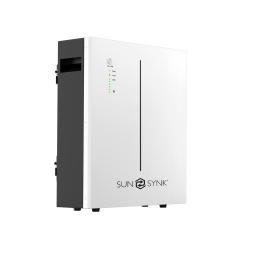
Best conventional low-voltage fit with a Sunsynk inverter: a compatible Sunsynk 5.12kWh or 5.32kWh model.
Best matched all-in-one system: AlphaESS SMILE-G3 with a 3.8kWh, 8.2kWh or 10.1kWh module option.
Best premium modular system: Sigenergy SigenStor with 5.38kWh or 8.06kWh modules.
Buy on usable kWh and discharge kW, not headline capacity alone.
Do not mix an inverter and battery until both manufacturers or the system supplier confirm compatibility.
Best home battery comparison for 2026
This comparison uses manufacturer information available on 19 September 2026. Specifications can change, so the model code and data sheet attached to your quote remain the final reference.
Platform
Published capacity
Published usable capacity
Published power detail
Best fit
Sunsynk low-voltage range
5.1kWh to 10.64kWh models
Model-specific
Model-specific
Conventional Sunsynk hybrid system with broad low-voltage choices
AlphaESS SMILE-G3
3.8kWh, 8.2kWh or 10.1kWh per module
3.6kWh, 7.8kWh or 9.6kWh
Depends on selected module and system
Matched inverter, battery and monitoring package
Sigenergy SigenStor BAT 5.0
5.38kWh
5.2kWh
2.5kW continuous charge/discharge
Premium modular system with lighter per-module loads
Sigenergy SigenStor BAT 8.0
8.06kWh
7.8kWh
4kW continuous charge/discharge
Premium system needing more capacity and per-module power
These products are not directly interchangeable. Sunsynk offers several low-voltage battery families, AlphaESS packages batteries into its own system architecture, and SigenStor uses a high-voltage modular stack. The best specification on paper can still be the wrong choice for an existing inverter.
kWh and kW: the two numbers that decide whether a battery works
Battery comparisons often focus only on kilowatt-hours. That is only half the decision.
Kilowatt-hours (kWh) measure stored energy. They influence how long the battery can run a load.
Kilowatts (kW) measure power. They influence how much the battery can supply at one moment.
A battery with 5.2kWh of usable energy could theoretically supply a steady 500W load for about 10.4 hours. At 2kW, the same energy is used in about 2.6 hours. Real runtime is lower once reserve settings, conversion losses, temperature and changing loads are included.
The power limit can stop you before the energy runs out. Sigenergy, for example, publishes 2.5kW maximum continuous charge or discharge power for its 5.38kWh module and 4kW for its 8.06kWh module in the Sigen Battery data sheet. A high-demand appliance combination can therefore exceed a battery's output even while stored energy remains.
This is why the inverter, battery and protected circuits must be designed together.
Sunsynk home batteries
Sunsynk's current battery catalogue lists low-voltage residential models from 5.1kWh to 10.64kWh, along with larger and high-voltage options. The manufacturer states that its batteries use LiFePO4 chemistry, include a battery management system and communicate natively with Sunsynk hybrid inverters.
For an existing or proposed Sunsynk inverter, a matched Sunsynk battery can reduce protocol uncertainty and keep support within one product ecosystem. That does not mean every Sunsynk battery works with every Sunsynk inverter. Ask for the exact approved combination, maximum parallel quantity and firmware requirements.
Sunsynk currently states a ten-year product warranty for its battery range. Warranty language can have operating, registration and installation conditions, so obtain the terms for the quoted model. Keep the invoice, serial numbers, photographs, commissioning records and electrical Certificate of Compliance.
Best for: a conventional low-voltage home system built around a compatible Sunsynk hybrid inverter.
Check before signing: exact usable capacity, continuous discharge current, parallel limits, enclosure rating, placement rules and South African warranty process.
The same data sheet describes 3.68kW and 5kW inverter options, LiFePO4 chemistry and model-specific expansion configurations. It lists a five-year product warranty and a ten-year battery performance warranty, subject to the manufacturer's terms and test conditions.
AlphaESS is attractive when a homeowner wants a matched inverter, battery and monitoring platform. That simplifies the first compatibility decision. It also means future expansion should stay within the approved module and inverter combinations.
Best for: a buyer who wants an integrated system and one platform for control and monitoring.
Check before signing: whether the chosen module is series or parallel expanded, the maximum system capacity, indoor or outdoor enclosure rating and who provides local warranty labour.
Sigenergy SigenStor batteries
Sigenergy publishes clear nominal and usable figures. Its 5.38kWh module has 5.2kWh usable capacity, while its 8.06kWh module has 7.8kWh usable capacity. The manufacturer lists LiFePO4 chemistry, IP66 ingress protection, natural-convection cooling and wall or floor mounting.
The modules work within the wider SigenStor platform. Published configurations support multiple modules under one controller, with the exact arrangement depending on the single-phase or three-phase system. This makes the platform useful where future expansion, a compact integrated design or optional DC EV charging is part of the plan.
The trade-off is that an integrated premium system should be compared on its complete installed cost. A battery-module price alone leaves out the controller, gateway, inverter functions, installation and any EV hardware.
Best for: a premium modular project, particularly where phased expansion or other SigenStor components have real value.
Check before signing: minimum module configuration, total usable capacity, combined discharge power, warranty applicable in South Africa and the installer's local support capability.
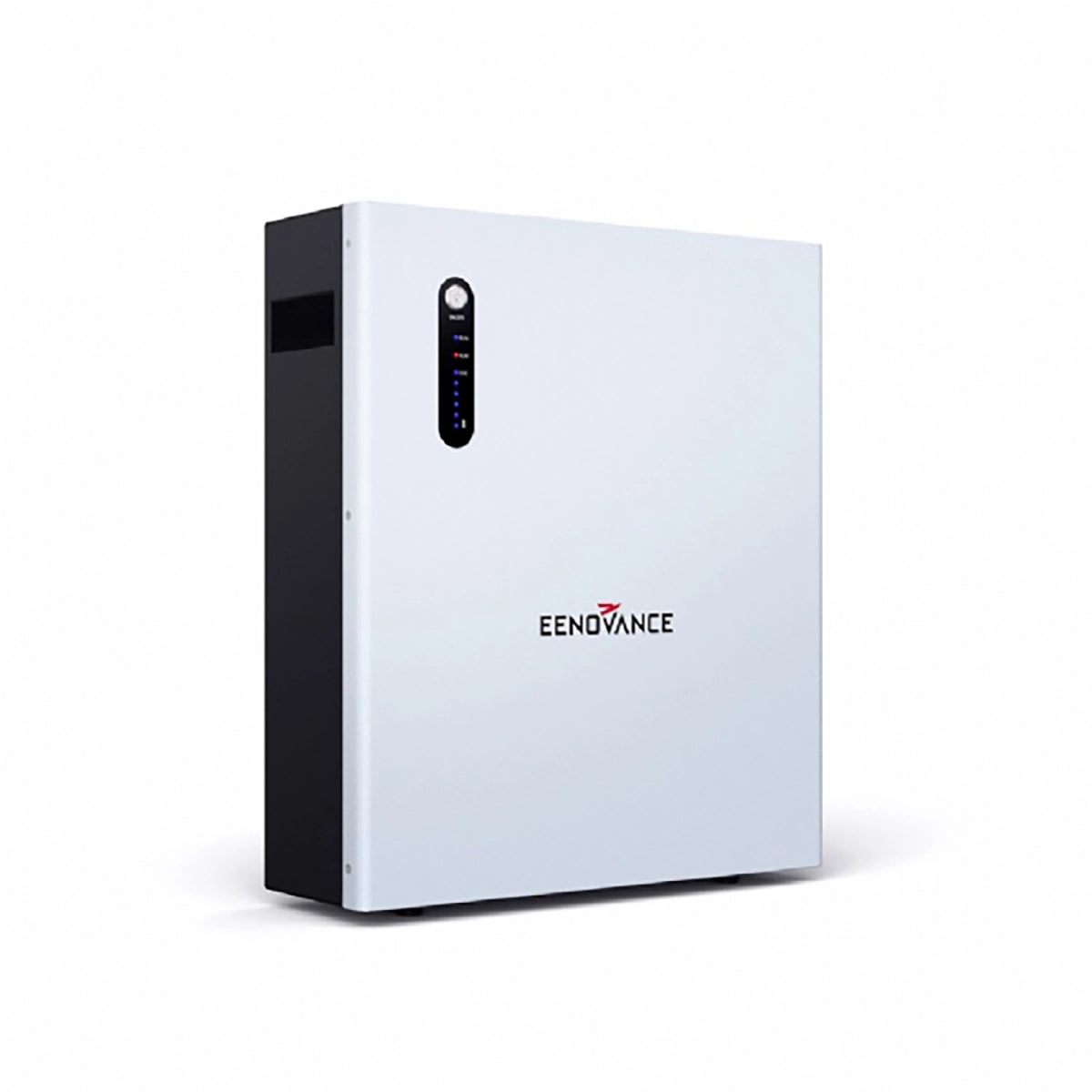
What about Eenovance, Freedom Won, Hubble, Pylontech and other brands?
South African buyers will encounter many more credible names than fit in one shortlist. The right response is not to accept or dismiss a battery by brand alone. Ask the seller for evidence covering the exact model:
official data sheet and installation manual;
usable capacity at the stated depth of discharge;
continuous and peak discharge power;
compatible inverter models and communication protocol;
cycle, throughput and remaining-capacity warranty terms;
South African warranty provider and claim address; and
expansion rules for adding batteries later.
A battery becomes a strong option when those answers fit the home and can be verified. Vague claims such as "6,000 cycles", "ten-year life" or "works with most inverters" are not enough without the test conditions and warranty terms.
LiFePO4 versus lead-acid for home backup
LiFePO4, or lithium iron phosphate, is now common in quality residential storage because it supports deeper cycling, has an integrated battery management system in modern products and generally offers a longer cycle life than traditional lead-acid batteries.
Lead-acid can still serve low-cost or occasional-use applications, but its usable capacity and cycle performance are more sensitive to deep discharge. A nominal 5kWh lead-acid bank should not be assumed to provide the same daily usable energy as a 5kWh lithium product.
Battery chemistry does not remove the need for safe installation. Clearances, cable size, overcurrent protection, isolation, temperature, enclosure rating and manufacturer instructions all matter. Read our full lithium versus lead-acid comparison if you are comparing an older backup bank with a new system.
How much battery capacity do you need?
Start with energy, then check power.
List the loads that must remain on.
Estimate each load's average watts.
Multiply the combined watts by the required backup hours.
Add an allowance for inverter losses and a battery reserve.
Check that the battery and inverter can supply the highest simultaneous power.
If essential loads average 600W for four hours, the direct energy requirement is 2.4kWh. After allowing for losses, reserve and uncertainty, a 3kWh nominal battery would leave little margin. A 5kWh-class battery is more comfortable, but the actual answer depends on the model's usable capacity and the loads that cycle on and off.
Heavy appliances change the calculation quickly. A kettle can use around 2kW while heating. A geyser or oven may draw several kilowatts for longer. Moving those loads outside an outage or excluding them from backup can save more than buying a much larger battery.
Runtime depends on usable capacity divided by average load:
Usable battery kWh ÷ average load kW = approximate hours
If a battery supplies 4.8kWh of usable energy and the average load is 0.6kW, the simple result is eight hours. At 1.5kW, it is 3.2 hours. Real results are lower because the inverter consumes energy, loads vary and most owners keep a reserve.
Our guide to what a 5kWh battery can run gives examples for common appliances. A promise of "five hours of backup" means little unless the quote also states the assumed load.
How to compare battery warranties
A ten-year label is not a complete warranty. Home batteries age through both time and energy throughput. Compare:
product warranty period;
performance or retained-capacity guarantee;
cycle or throughput limit;
required depth of discharge and operating temperature;
approved inverter and communication settings;
internet or monitoring requirements;
registration deadline and installer requirements; and
labour, transport and call-out coverage.
The warranty can end when the first limit is reached, even if the calendar period has not expired. Our solar warranty guide explains how to read the exclusions before buying.
Placement and heat matter
Battery data sheets specify operating temperatures and enclosure ratings, but an IP rating is not permission to put a battery anywhere. Direct sun, roof-space heat, standing water, poor ventilation and easy impact access can all shorten life or create risk.
Ask the installer why the proposed location is suitable, how cable runs are protected, and whether the wall or floor can carry the battery. If the unit is outdoors, confirm the exact manufacturer's shelter and clearance requirements.
Can you add another battery later?
Often, but not automatically. Manufacturers set limits on module count, age difference, state of charge, firmware and connection method. Some systems allow new and older modules to work together; others require closer matching or a separate controller.
If expansion is likely, put it in the design brief now. Ask the installer to state the supported final capacity and what extra hardware will be needed. "Expandable" without a number is not a plan.
Battery quote checklist
Before accepting a quote, confirm:
exact battery model and chemistry;
nominal and usable kWh;
continuous and peak discharge kW;
inverter compatibility in writing;
number of modules supported now and later;
backup runtime based on a stated load;
installation location and environmental limits;
product, performance and workmanship warranties; and
who handles a South African claim.
SolarGuide is an independent referral partner. We help homeowners understand the options and request an assessment. The installation partner confirms the final battery, inverter match, price, runtime assumptions and warranty after reviewing the property.
Request a battery and solar assessment with your essential-load list, desired backup time and existing inverter details. Those three items make the recommendation far more useful.
Not sure which system you need?
Get a free, no-obligation quote sized to your home, usage and budget. It only takes a minute.
There is no universal winner. A Sunsynk battery can suit a matched low-voltage Sunsynk system, AlphaESS suits an integrated package, and Sigenergy suits a premium modular design. The best model is the one with enough usable energy and discharge power, verified inverter compatibility and practical local warranty support.
Is a 5kWh battery enough for load shedding?
It is often enough for managed essentials through a typical outage, but runtime depends on the load. Heavy heating appliances can drain or overload it quickly. Calculate from usable capacity, not the nominal 5kWh label alone.
What is the difference between nominal and usable battery capacity?
Nominal capacity is the battery's total stated energy. Usable capacity is the portion the manufacturer allows under its depth-of-discharge limits. Use the usable figure for runtime comparisons.
Are all lithium batteries compatible with all inverters?
No. Voltage, current, battery-management communication and firmware all need to match. Use a manufacturer-approved combination or obtain written confirmation from the system supplier.
How long does a solar battery last?
Life depends on chemistry, temperature, depth of discharge, charge rate and total energy throughput. Compare the warranty's time, cycle, throughput and retained-capacity limits rather than relying on a single lifespan claim.
SolarGuide is an independent referral partner. We help you compare options and arrange a free quote — Alumo supplies, installs, finances and warrants the systems. Pricing is indicative, sourced from Alumo’s published catalogue, and subject to a site assessment and credit approval.