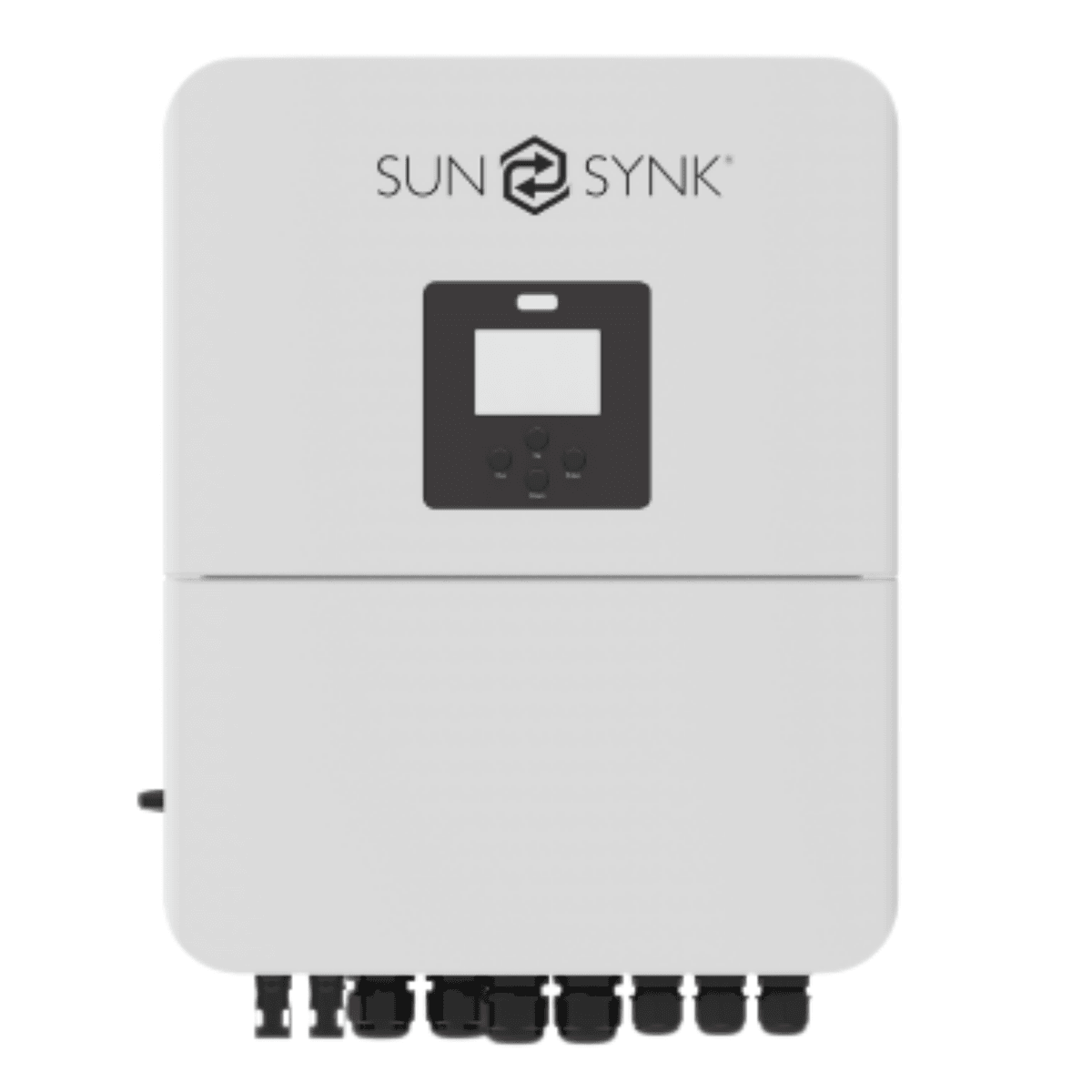
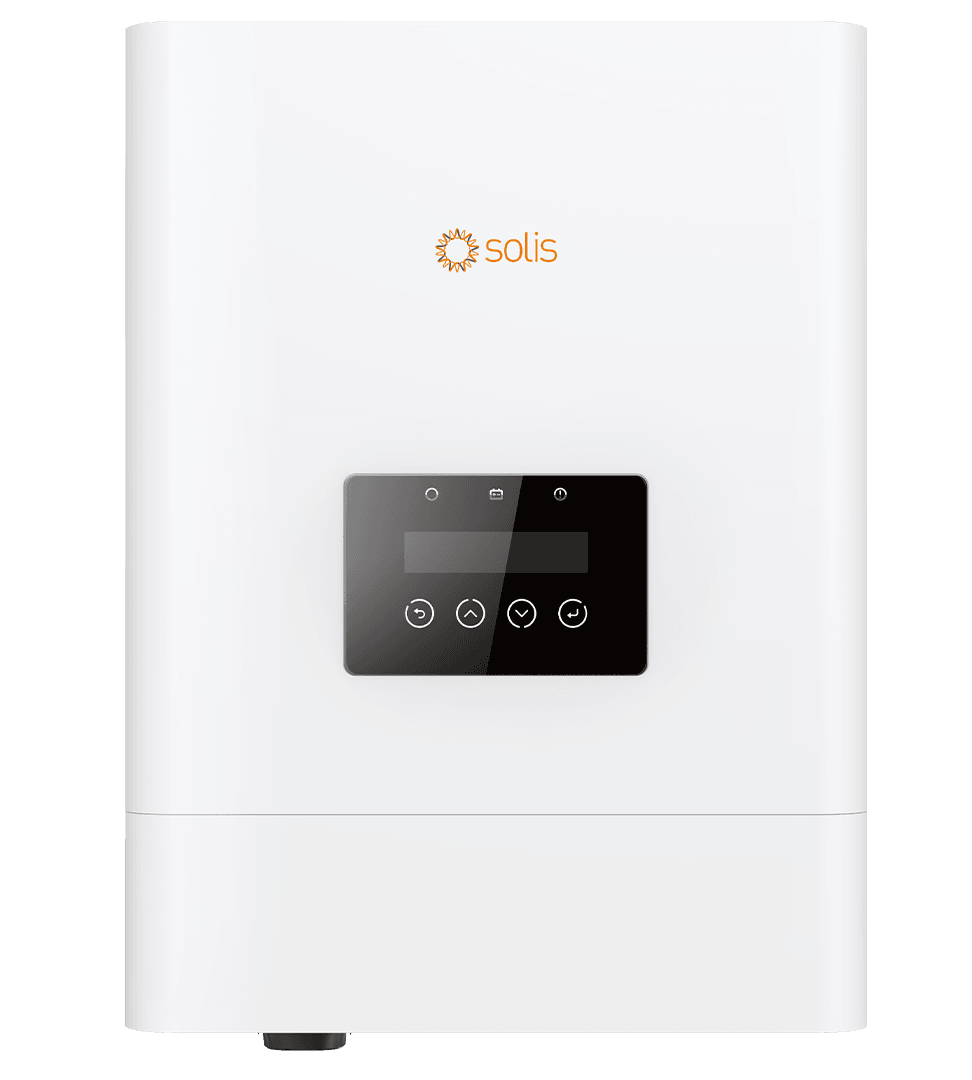
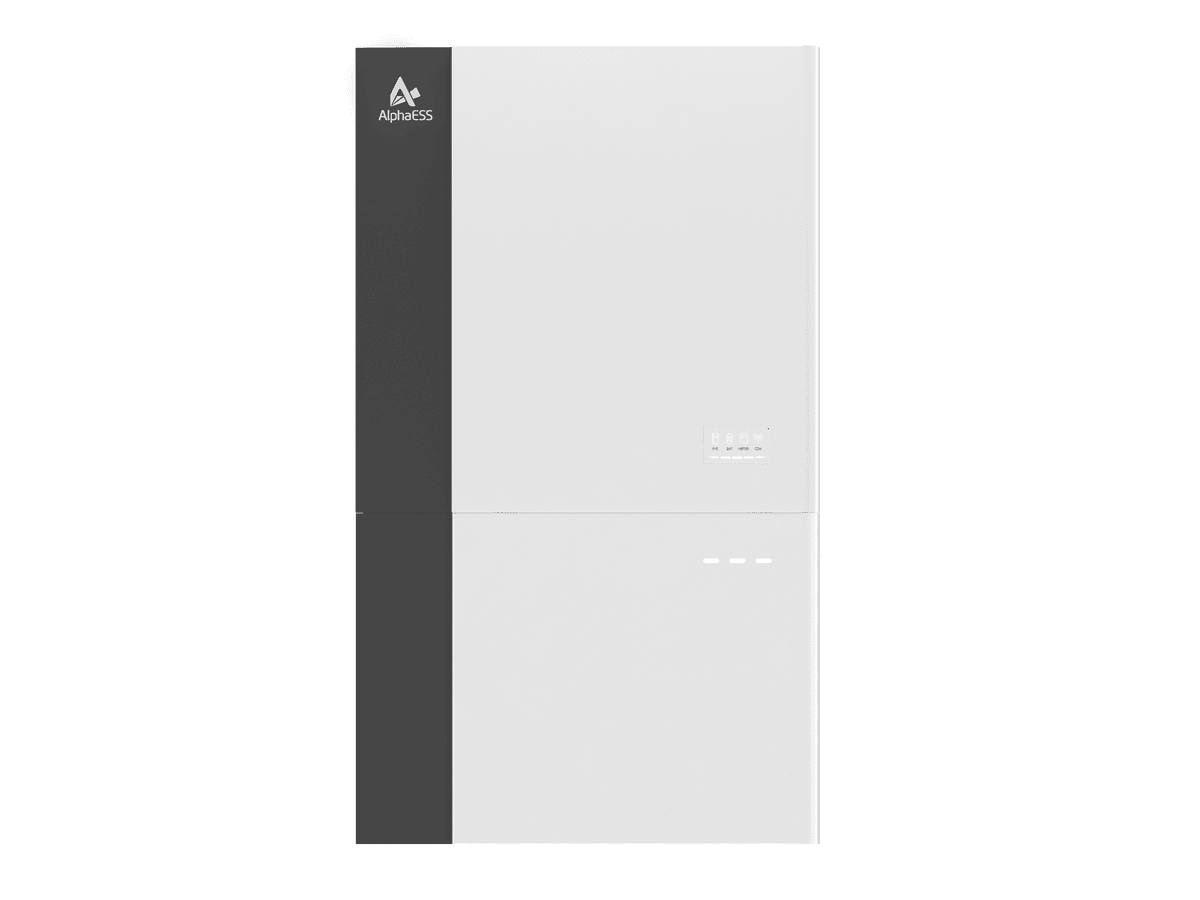
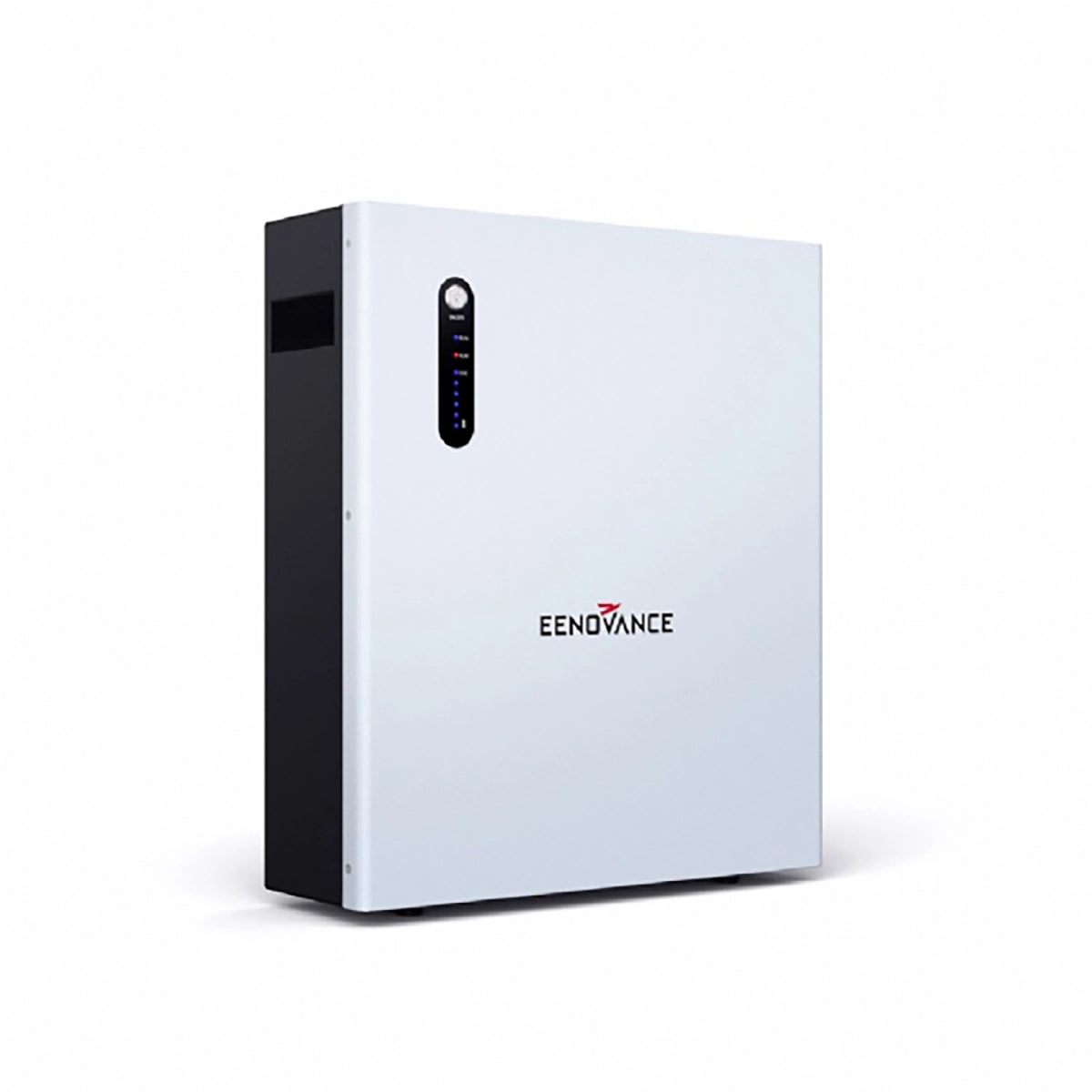
The right inverter and battery pairing matters more than a headline kW or kWh figure. See the models currently listed by SolarGuide, then ask for a quote based on your home and usage.
Shopping for solar, you'll quickly bump into three terms that sound technical but really just describe how your system relates to Eskom: grid-tied, off-grid and hybrid. Choosing the wrong one is an expensive mistake. You either overspend on independence you don't need, or you buy a system that switches off the moment load-shedding hits.
The right choice comes down to what you want solar to do for you, where you live, and how much you're prepared to invest. For most South African homes the answer turns out to be the same. It's still worth understanding why, and knowing the cases where a different setup makes sense.
Key takeaways
Grid-tied is cheapest but shuts down during load-shedding — poor fit for most SA homes.
Off-grid gives total independence but needs oversized panels and batteries, making it costly.
Hybrid is the sweet spot: solar and battery first, grid as backup, load-shedding protection built in.
Your electricity reliability, budget and whether you have a grid connection at all drive the decision.
Almost every Alumo home package is a hybrid system, because it suits South African conditions best.
Grid-tied solar: the budget option with a catch
A grid-tied (or "grid-direct") system connects your panels to an inverter and straight into your home and the municipal grid — with no battery. When the sun shines, you use solar power and pull less from Eskom. It's the simplest, cheapest way to reduce a daytime electricity bill.
Why it works overseas but stumbles here
In countries with a stable grid and generous feed-in tariffs, grid-tied is the default. You export surplus solar during the day, earn credits, and draw from the grid at night, so the grid effectively acts as your battery. It's cheap and it works.
The load-shedding problem
Here's the dealbreaker for South Africa: a grid-tied system with no battery switches off during load-shedding. By law and for the safety of technicians working on the lines, the inverter shuts down the instant the grid goes down — even at high noon with the panels blazing. So the one time you most want your own power, you have none.
For that reason, pure grid-tied is rarely the right call for a South African home. It only makes sense in the unusual case where your supply is genuinely reliable, you only care about shaving your daytime bill, and backup isn't a concern.
Off-grid solar: total independence, at a price
An off-grid system cuts the cord entirely. No Eskom connection, no municipal bill — your panels and batteries are your only source of power. For remote farms, game lodges or properties where a grid connection would cost a fortune to install, it's the obvious answer.
What full independence demands
Because there's no grid to fall back on, an off-grid system has to be sized for your worst-case day: the cloudy week in winter when production is low and you still need power every night. That means significantly more panels and a much larger battery bank than a grid-connected home would need, plus careful management so you never run flat.
All that redundancy costs money. Off-grid is the most expensive route per unit of reliability, which is why people usually choose it out of necessity (no grid nearby) rather than preference.
Living the off-grid life
Off-grid also asks more of you day to day. You become conscious of your consumption, especially in winter. Many off-grid properties keep a backup generator for the rare stretch when solar and battery can't keep up. It's a genuine lifestyle, and for the right property it's a good one. It's just not what most suburban homes need.
Not sure which system you need?
Get a free, no-obligation quote sized to your home, usage and budget. It only takes a minute.
A hybrid system takes the useful parts of both, which is why it dominates the local market. It combines panels, a battery and a hybrid inverter while staying connected to the grid, and the inverter juggles all three sources for you.
How a hybrid decides where power comes from
Moment to moment, a hybrid inverter follows a simple priority: use solar first, then the battery, and only draw from the grid when both fall short. During load-shedding it switches your home over to solar and battery so fast your wifi doesn't drop. When the grid is up but your battery is low on a dark winter evening, it quietly tops up from Eskom.
Why it fits South Africa so well
Hybrid solves the exact problems South Africans have. It carries you through load-shedding, it cuts your bill by running on free solar most of the day, and it keeps the grid as a safety net. Because that net is there, you don't have to oversize everything the way an off-grid home does, which keeps the cost sensible. You get most of the independence of off-grid for a fraction of the price.
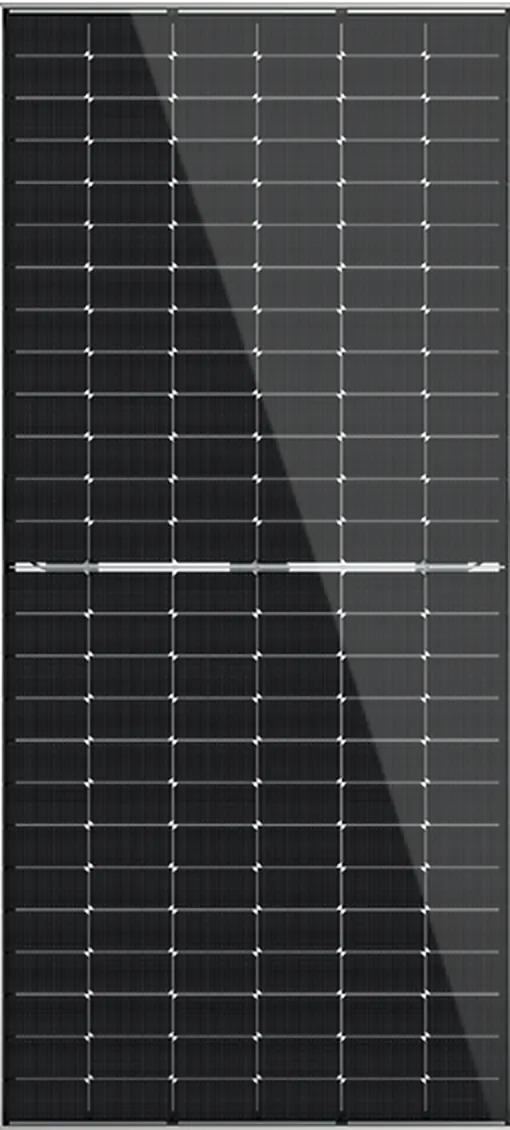
Alumo's current solar-plus-battery rent-to-own range uses a Solis 5kW inverter and Eenovance 5.32kWh battery: Watt-a-Deal has three 615W panels from R1,418/month, The Big Watt has four from R1,487/month, and The Power Bae has six from R1,626/month on a seven-year term. Three- and five-year prices, solar-only configurations and battery-only pricing are available on our current package comparison.
Step up to The Power Bae and you get six panels instead of Watt-a-Deal's three, on the same inverter and battery. That suits a busy family home with a bigger bill.
If your property has no municipal or Eskom connection and getting one would be hugely expensive, off-grid is likely your only practical option. Everyone else has a grid to work with.
Do you need power during load-shedding?
If yes — and for almost every South African that's a firm yes — you need a battery, which rules out pure grid-tied. That points you to hybrid.
What's your budget and goal?
Tight budget, essentials only: a smaller hybrid system (like Watt-a-Deal or a subscription plan) keeps lights, wifi and the fridge alive and trims your bill.
Whole-home comfort: a larger hybrid runs aircon, entertainment and the evening peak with room to spare.
Remote property, no grid: off-grid, sized generously.
For the vast majority of homes reading this, the honest answer is a right-sized hybrid. Get a free quote → and a technician will recommend the exact configuration for your home and budget.
What about going hybrid now and off-grid later?
A nice feature of hybrid systems is that they're expandable. Start with a system that covers your essentials and trims your bill, then add panels or battery capacity down the line as budget allows. Over time you can lean less and less on the grid, drifting towards independence without the upfront cost of a full off-grid build. It's a pragmatic path that lets your solar grow with you.
Free tool
Estimate your system & savings
Move the slider to your monthly bill for an instant, indicative suggestion.
This is an indicative starting point. The site assessment and signed quote confirm the system, current price, equipment, savings and backup time. Rent-to-own payments increase by 6.5% each year.
Frequently asked questions
Which is better, grid-tied or hybrid, for load-shedding?
Hybrid, without question. A pure grid-tied system switches off during load-shedding for safety reasons, leaving you with no power even when the sun is shining. A hybrid system keeps running on solar and battery through any outage.
Is off-grid solar worth it for a normal suburban house?
Usually not. Off-grid requires oversized panels and batteries to guarantee you never run short, which makes it the most expensive option. If you already have a grid connection, a hybrid system gives you most of the benefits at a far lower cost.
Can I add a battery to a grid-tied system later?
Sometimes, but it depends on the inverter. A pure grid-tied inverter often isn't designed for batteries, so you'd need to replace it with a hybrid unit. It's usually cheaper to start with a hybrid inverter from day one, even if you add the battery later.
Do hybrid systems let me sell power back to the grid?
Where your municipality allows it and you're registered for SSEG (Small-Scale Embedded Generation), a hybrid system can export surplus solar for credits or a feed-in tariff. The rules and rates vary by municipality, so it's worth checking locally.
Who decides which system I need?
A qualified installer, after assessing your usage, roof and location. SolarGuide is an independent referral partner — Alumo supplies, installs, finances and warrants the systems. We help you compare options and get a free quote; pricing is indicative and subject to a site assessment and credit approval.
SolarGuide is an independent referral partner. We help you compare options and arrange a free quote — Alumo supplies, installs, finances and warrants the systems. Pricing is indicative, sourced from Alumo’s published catalogue, and subject to a site assessment and credit approval.