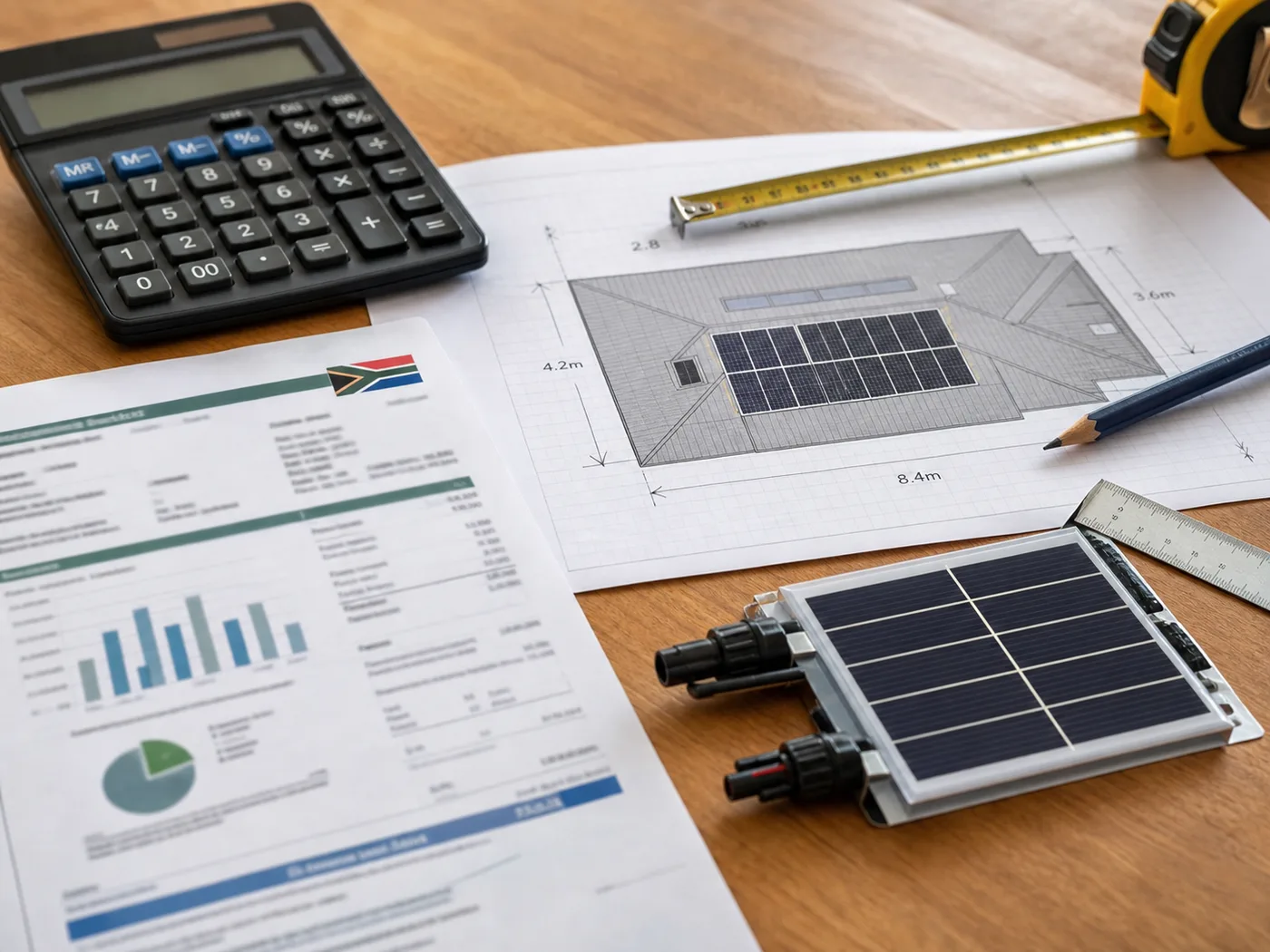
Use the calculator for an indicative starting point, then confirm the system against your roof, phase type, appliance loads and preferred backup level.
The "5kW solar system" has become the default shorthand for a proper home solar setup in South Africa. It's the size most middle-income households land on once they've done the sums: big enough to run a home through load-shedding and take a real bite out of the Eskom bill, small enough to stay affordable. So the obvious next question is what one actually costs.
The honest answer is that "5kW" describes only one part of the system, the inverter, and the price depends on what you pair with it: how much battery, how many panels, which brands, and whether you pay cash or finance. This guide breaks down what goes into the number so you can read any quote with confidence and judge whether it's fair.
Key takeaways
"5kW" refers to the inverter's output; the battery and panels are separate costs that swing the total significantly.
A quality 5kW hybrid system with a decent battery typically runs in the tens of thousands of rands cash, or a few thousand rands a month financed.
Battery capacity is usually the single biggest price lever: more backup hours cost more.
Financing can make a 5kW system cost less per month than the Eskom bill it replaces.
The right question isn't just "what does 5kW cost" but "is 5kW the right size for my home".
What "5kW" actually means
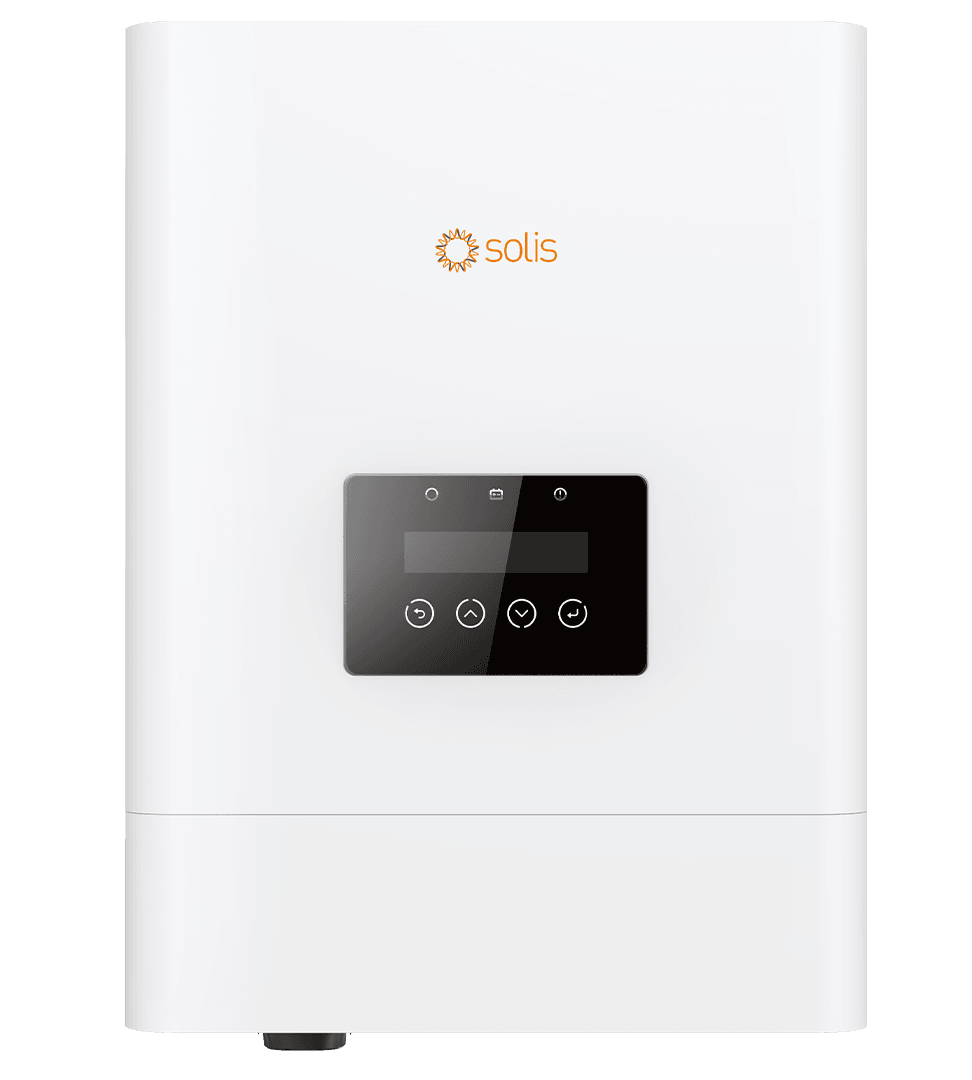
When people say a 5kW system, they almost always mean a hybrid inverter rated to deliver up to 5kW of power at once. That figure tells you how much you can run at once: think geyser elements, a kettle, plates on the stove, plus the usual background load of fridges, lights and electronics. It does not tell you how long you can run it in a power cut, or how much of your bill you'll offset. Those depend on the battery and the panels.
This is why two "5kW systems" can be priced miles apart. One might pair the inverter with a single small battery and a handful of panels; another stacks in double the storage and a full roof of panels. Same inverter rating, very different systems, very different prices.
The three cost components
Every quote is really three numbers bundled together. The inverter is the brain: it converts and manages power between the panels, battery, grid and your home. The battery is the storage that carries you through load-shedding and into the evening. The panels are what generate free energy from the sun during the day. On top of that sits installation: mounting, wiring, the switchboard work, and certification.
What a 5kW system typically costs
Alumo currently describes outright systems as bespoke and confirms the cash purchase price after assessing the property and energy use. Rental buyout and cash-equivalent figures should not be treated as a current outright quote. For equipment-only benchmarks, the SolarGuide Solar Price Index tracks 5kW hybrid kits, inverters, batteries and panels across several South African retailers each quarter.
Financing changes the timing rather than the equipment price. A monthly quote may include interest or annual escalation, service, insurance and a final buyout. Compare the scheduled total with the cash price using our rent-to-own vs buying guide.
Why battery size moves the price most
If you want to know why one 5kW quote is much higher than another, look at the battery first. Storage is expensive and it scales: doubling your backup hours roughly doubles your battery spend. A 5kW inverter paired with around 5kWh of storage gives you a few hours of backup for the essentials. Push to 10kWh or more and you can ride out longer outages or run heavier loads into the night, but you pay for every extra kilowatt-hour.
This is the single biggest decision that shapes your total. It's worth being honest about how much backup you actually need rather than buying the biggest battery on the shelf.
Panels and installation
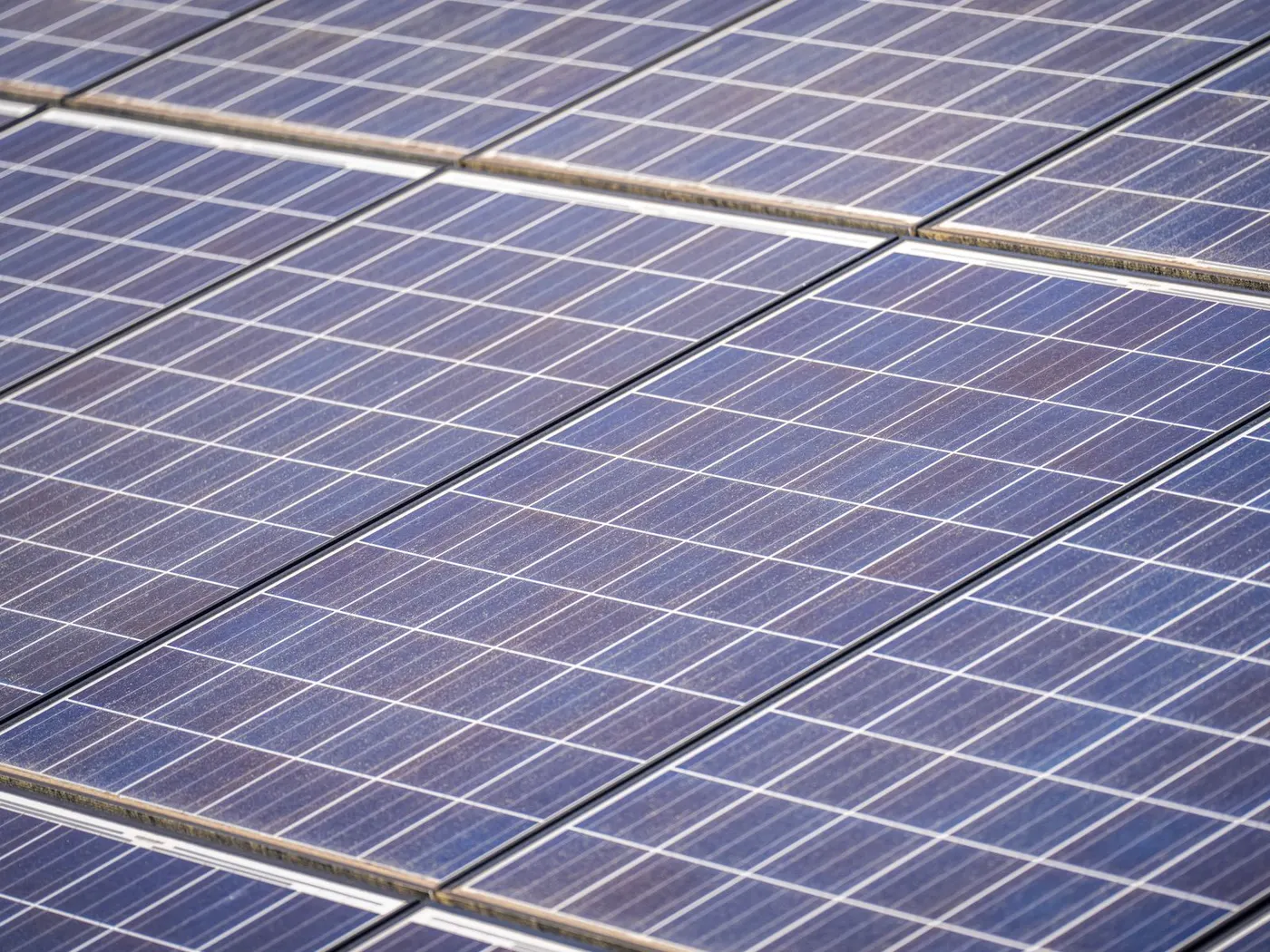
Panels are a smaller slice of the total than most people expect, and adding a couple more is usually good value, since they're the part that generates savings. A 5kW system commonly carries six to eight panels depending on their wattage and your roof space.
Installation covers mounting rails, cabling, the inverter and battery mounting, switchboard integration and the compliance paperwork (including your CoC). A proper install by a certified team isn't where you want to cut corners. Bad wiring is both a safety risk and a warranty problem.
Not sure which system you need?
Get a free, no-obligation quote sized to your home, usage and budget. It only takes a minute.
Before fixating on the price of 5kW, sanity-check whether it fits your home. A 5kW inverter comfortably suits a typical three-bedroom household: lights, electronics, a fridge or two, a TV, and being careful with high-draw appliances like the geyser, stove and kettle one at a time.
When 5kW is plenty
If your monthly bill sits in the region of R1,500 to R3,000, you live in a normal-sized family home, and you're not trying to run everything at once off-grid, 5kW is very often the sweet spot. It handles load-shedding for your essentials and takes a serious bite out of your grid usage during the day.
When you might need more (or less)
Larger homes with pools, boreholes, multiple geysers or a home office full of equipment may bump against a 5kW ceiling and be better served by a bigger inverter. On the flip side, if your bill is modest, say around R1,000, a smaller 3.6kW system might cover you for less money.
The point is that "5kW" is a popular default, not a universal answer. A proper assessment of your actual usage and roof is what tells you whether it's right for you. Get a free Alumo quote → and a technician will size it against your real bill.
Cash versus monthly: framing the cost
How you pay changes the cash flow and total acquisition cost. Cash gives immediate ownership without finance charges. A financed purchase adds interest, escalation or fees and should be compared over the same period.
A low first instalment does not prove that a system is cash-flow positive. Add the remaining grid bill, fixed charges, escalation and fees, then test the provider's savings estimate. Our solar payback guide provides the calculation. Get a free Alumo quote → for a design based on your roof and usage.
Free planning tool
Solar finance and payback calculator
Compare cash payback with a financed system, using your own bill, tariff and assumptions.
R 2 500
R 110 000
70%
Payment route
Cash payback
5.2 years
20-year net saving
R 851 001
Year-one saving
R 1 750/mo
Estimated array
4.4 kW
About 8 × 550 W panels
Roughly 23.3 m² of usable roof
Indicative scenario only. It excludes finance fees, tax effects, maintenance, export credits and site-specific generation. The assumptions are visible below so the result can be challenged instead of treated as a quote.
How much does a 5kW solar system cost in South Africa?
A complete 5kW hybrid system with a decent battery and a full set of panels typically costs in the tens of thousands of rands cash, or a few thousand rands a month on a rent-to-own plan. The exact figure depends heavily on battery size, panel count and brands, so a personalised quote is the only reliable number.
What does a 5kW solar system include?
A 5kW hybrid inverter, one or more batteries for storage, a set of solar panels (commonly six to eight), mounting hardware, cabling, switchboard integration and certification. The "5kW" refers only to the inverter's output rating.
Is a 5kW solar system enough to run a house?
For a typical three-bedroom home with a bill around R1,500–R3,000, a 5kW system is usually well-matched, running your essentials through load-shedding and cutting daytime grid use. Homes with pools, boreholes or very high usage may need something larger.
Why do 5kW solar quotes vary so much?
Mostly because of the battery. Storage is the most expensive component and scales with backup hours, so a 5kW system with a large battery costs far more than one with a small battery. Panel count and brand choices add further variation.
Can I finance a 5kW solar system?
Yes. Bank loans, home-loan funding, rent-to-own and subscriptions can spread or replace the upfront cost. Payments may change and a subscription is not ownership, so compare the full terms. SolarGuide is an independent referral partner; Alumo supplies, installs, finances and warrants its systems.
SolarGuide is an independent referral partner. We help you compare options and arrange a free quote — Alumo supplies, installs, finances and warrants the systems. Pricing is indicative, sourced from Alumo’s published catalogue, and subject to a site assessment and credit approval.