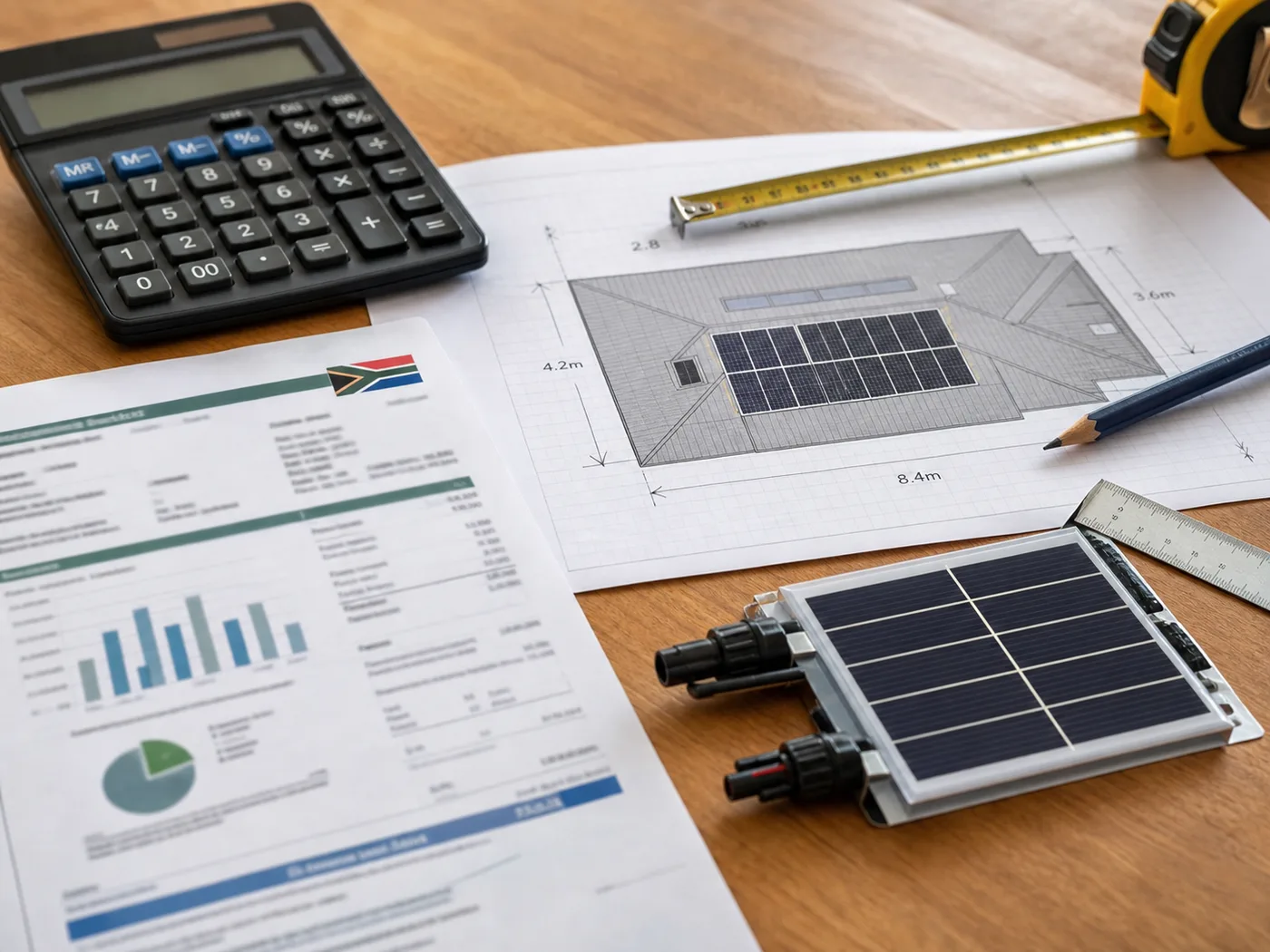
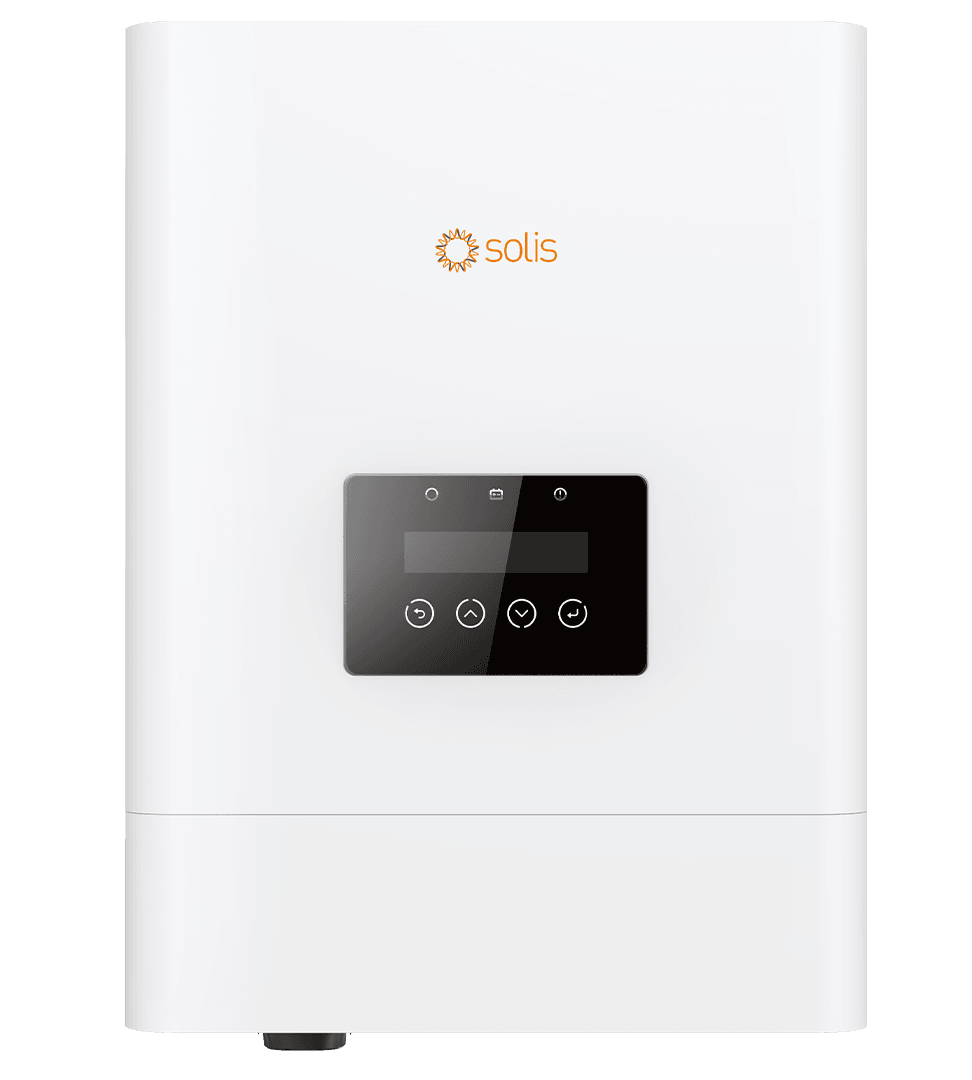
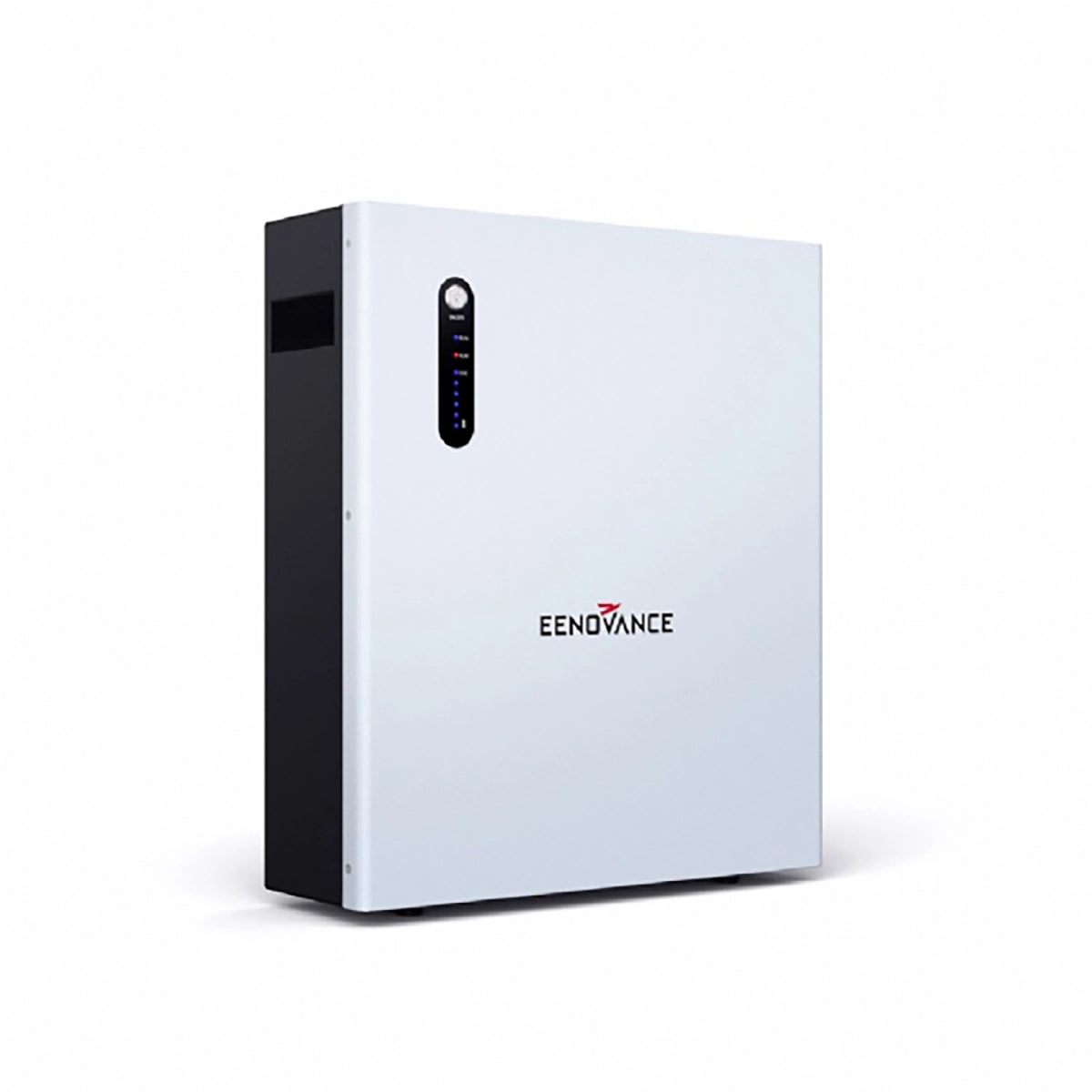
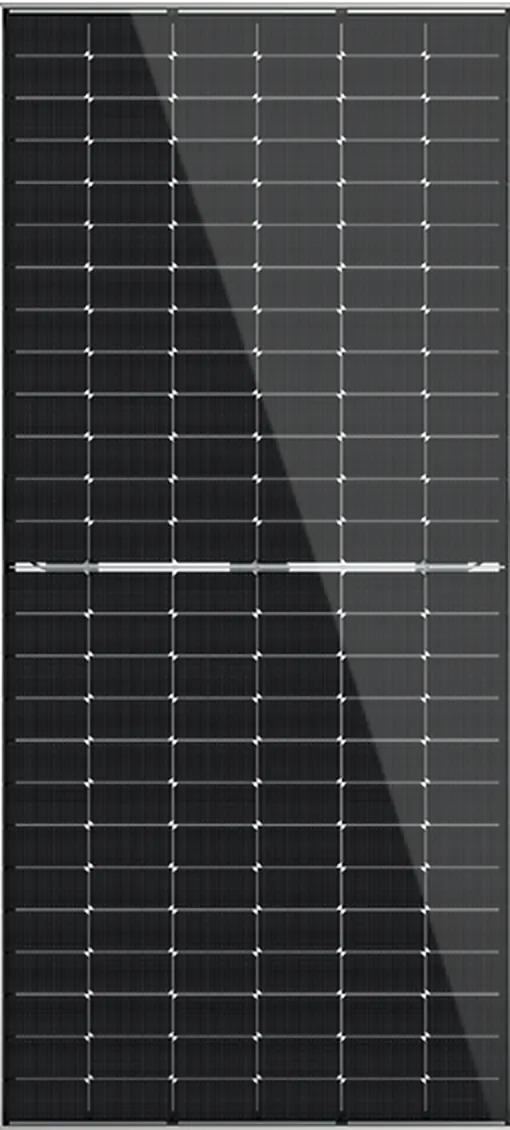
Use the calculator for an indicative starting point, then confirm the system against your roof, phase type, appliance loads and preferred backup level.
Every South African household has felt it: the Eskom bill that keeps climbing while the service keeps wobbling. Tariff increases have outpaced inflation for years, and the sting is worst in winter when the geyser and heaters run hardest. The instinct is to shrug and pay it, but a surprising amount of that bill is within your control.
Some savings are free and immediate. Others need a bit of spend but pay back fast. And the biggest lever of all, generating your own power, has become far more accessible. Here are ten practical ways to bring the number down, ordered roughly from quick wins to the heavy hitters, so you can start wherever suits your budget.
Key takeaways
The geyser is usually the single largest item on a home's electricity bill, so it is the first place to look.
Free behaviour changes and cheap fixes can trim a meaningful slice before you spend a cent on hardware.
Understanding your tariff lets you shift usage and stop overpaying for demand you do not need.
Solar with a battery is the biggest lever, turning a large monthly bill into a smaller, more predictable one.
Start with the geyser
1. Fit a geyser timer or blanket
Your electric geyser can account for a huge share of household consumption because it reheats water around the clock, even while you sleep. A simple timer that runs it only before you need hot water, paired with an insulating geyser blanket and lagged pipes, cuts wasted reheating. It is one of the cheapest interventions with one of the fastest paybacks. Our geyser cost calculator works out what yours uses and costs each month.
2. Turn the thermostat down
Many geysers are set hotter than anyone needs, then the hot water is mixed back with cold at the tap. Dropping the thermostat to a sensible setting reduces standing heat loss without leaving you short of hot water. It costs nothing and takes minutes.
Attack the everyday waste
3. Switch to LED lighting throughout
If you still have any halogen or incandescent bulbs, replacing them with LEDs cuts lighting energy dramatically for the same brightness. LEDs also last far longer, so you save on replacements too. It is a small upfront spend that quietly keeps paying.
4. Kill standby power
Devices left on standby — TVs, decoders, chargers, the microwave clock, gaming consoles — sip power continuously. Switching them off at the wall, or grouping them on a single switched plug strip, removes a load that runs 24 hours a day for zero benefit.
5. Use appliances smartly
Run the washing machine and dishwasher with full loads, wash clothes in cold water where you can, and keep the fridge and freezer well sealed and not overfilled with warm items. None of these are dramatic on their own, but together they shave a steady percentage off every month.
Get the big appliances right
6. Rethink heating and cooling
Space heating and air-conditioning are power-hungry. Sealing draughts, closing curtains at night to hold heat, and using a heater only in the room you occupy all reduce the load. If you are replacing an air-conditioner, an efficient inverter model uses far less than an older unit for the same comfort.
7. Choose efficient replacements
When any major appliance dies, treat the replacement as an efficiency decision, not just a price decision. A more efficient fridge, geyser or aircon costs a little more upfront and then saves every single day for a decade. Over the appliance's life, the running cost dwarfs the purchase price.
Not sure which system you need?
Get a free, no-obligation quote sized to your home, usage and budget. It only takes a minute.
You cannot manage what you do not understand. Many households have no idea whether they are on a flat rate, a stepped (inclining block) tariff, or a time-of-use structure. It also helps to know how much your tariff has actually gone up — the approved increases compound faster than most people expect. If you are on a stepped tariff, pushing your total consumption into a lower block by cutting waste saves disproportionately. If you are on time-of-use, shifting heavy loads like the geyser and washing away from peak periods directly lowers the bill.
9. Consider prepaid discipline
For some households, a prepaid meter makes consumption visible and immediate in a way a monthly account never does. Watching the units tick down tends to sharpen everyone's habits, and that behavioural nudge alone can trim usage. It will not suit everyone, but the visibility is a genuine tool.
Generate your own power
10. Go solar with a battery
Every step above chips away at the bill. Solar is the one that changes its shape entirely. By generating your own electricity during the day and storing it in a battery for the evening and load-shedding, you replace a large, rising Eskom charge with a smaller, more predictable one — and you get the bonus of staying powered when the grid goes down.
Alumo's current subscriptions are the Hot Deal from R1,299/month, Peachy Deal from R1,699/month, and Big Deal from R2,599/month. Maintenance and insurance are included, and the advertised terms include an option to cancel after 24 months; subscription is not ownership.
The right size depends on your actual usage, which is exactly what a proper assessment works out. Get a free quote → to see how much of your current bill a well-sized system could replace.
Putting it together
The smart approach is layered. Start with the free and cheap wins (the geyser timer, LEDs, killing standby, understanding your tariff) because they cost little and stack up. Then, once you've squeezed the easy savings, look at solar as the structural fix that caps your exposure to Eskom's next increase and the next round of load-shedding.
You do not have to do everything at once. Even the first three or four steps will show up on your next bill. And when you are ready for the big lever, the numbers are more accessible than they have ever been. Get a free quote → and you can see exactly where solar fits into your plan.
Free tool
Estimate your system & savings
Move the slider to your monthly bill for an instant, indicative suggestion.
This is an indicative starting point. The site assessment and signed quote confirm the system, current price, equipment, savings and backup time. Rent-to-own payments increase by 6.5% each year.
Frequently asked questions
What uses the most electricity in a South African home?
For most households the electric geyser is the single largest consumer, followed by heating and cooling. That is why a geyser timer, a geyser blanket and a sensible thermostat setting are usually the highest-impact low-cost changes you can make.
How much can I save without buying anything?
It varies by household, but behaviour changes and cheap fixes — geyser timing, LEDs, killing standby, running full appliance loads and shifting usage off peak — can trim a meaningful portion of your bill for very little or no cost. The exact figure depends on your current habits and tariff.
What is a stepped or time-of-use tariff?
A stepped (inclining block) tariff charges more per unit as your monthly consumption rises, so cutting waste can drop you into a cheaper block. A time-of-use tariff charges more during peak periods, so shifting heavy loads like the geyser to off-peak times lowers your bill. Check which one applies to you.
Is solar really worth it if I already save electricity carefully?
Often yes. Efficiency reduces the bill, but solar changes its structure by replacing rising Eskom charges with self-generated power. The two work together: a more efficient home needs a smaller, cheaper solar system to cover its needs.
How do I know what size solar system I need?
A proper site assessment looks at your actual consumption, roof and load-shedding exposure to size the system correctly. SolarGuide is an independent referral partner; Alumo supplies, installs, finances and warrants the systems, and all pricing is indicative and subject to a site assessment and credit approval.
SolarGuide is an independent referral partner. We help you compare options and arrange a free quote — Alumo supplies, installs, finances and warrants the systems. Pricing is indicative, sourced from Alumo’s published catalogue, and subject to a site assessment and credit approval.