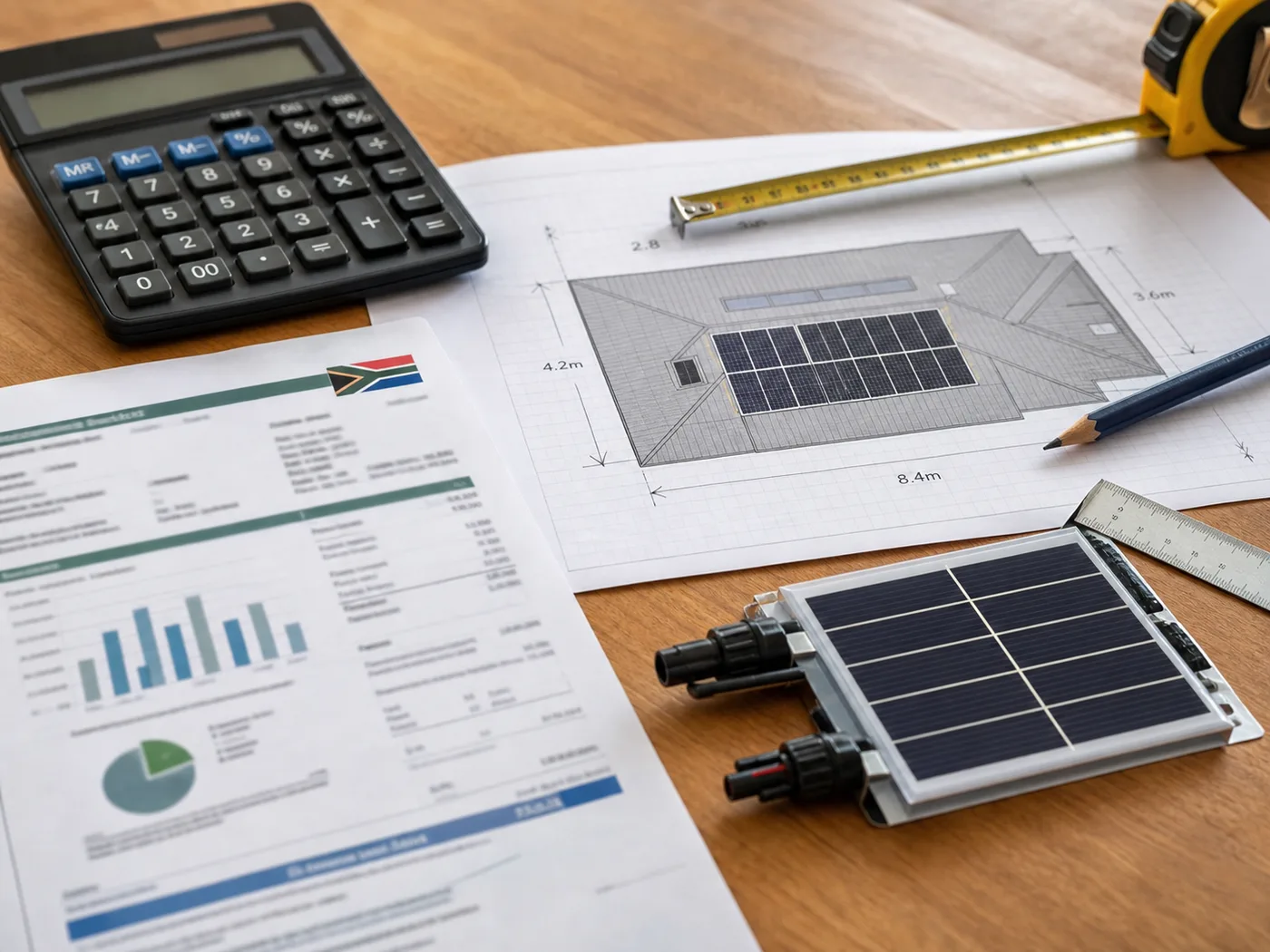
The same system can look very different as an outright purchase, rent-to-own plan or subscription. Compare the published package structures before you request a tailored quote.
Most people glance at the total on their electricity bill, wince, and pay it. Almost no one reads the lines above that total, which is a shame, because those lines explain why the number is what it is, and where you're overpaying without realising. Your tariff structure shapes every rand you spend on power.
South African electricity billing is genuinely confusing. Between Eskom's direct-supply tariffs, hundreds of municipal variations, fixed charges, stepped blocks and time-of-use rates, it's easy to feel lost. This guide decodes the bill line by line so you can understand what you're paying for, spot where the money goes, and see how solar changes the picture. For current 2026/27 rates by city, see the electricity tariff tracker.
Key takeaways
Your bill is more than a single rate: fixed charges, energy charges and sometimes demand charges all stack up.
Stepped (inclining block) tariffs charge more per unit as you use more, so heavy users pay a premium on the top units.
Time-of-use tariffs make electricity expensive at peak hours, which is exactly when solar and a battery help most.
Understanding your tariff is what turns solar from a vague good idea into a calculated saving.
The building blocks of your bill
Whether you buy power directly from Eskom or through your municipality, your bill is assembled from a few distinct components. Once you can name them, the total stops being a mystery.
The fixed or service charge
Many tariffs include a fixed monthly charge that you pay regardless of how much electricity you use. It might be called a service charge, network charge, capacity charge or basic charge. This is the cost of being connected to the grid at all, and it is the reason your bill is never truly zero even in a month you barely used power.
This matters for solar. Because the fixed charge isn't tied to consumption, going solar reduces your energy charges but usually won't remove the fixed connection charge if you stay grid-tied. Export customers can also face meter or administration charges, which need to be included when assessing solar feed-in tariffs and net billing.
The energy charge
This is the part that scales with usage, measured in cents per kilowatt-hour (c/kWh) and multiplied by the units you consumed. For most households it is the biggest slice of the bill, and it is the part solar attacks directly, because every unit you generate yourself is a unit you do not buy.
The demand charge
More common on business and larger residential tariffs, a demand charge bills you on your peak power draw, not just total energy. It reflects the strain your maximum load puts on the network. Homes on standard domestic tariffs usually will not see this, but if you do, managing when your heavy appliances run together becomes financially important. A business should use interval demand data in its commercial solar site assessment before assuming solar or a battery will reduce that charge. The commercial peak-shaving guide explains how the billing interval, kW or kVA basis and minimum-demand rules change the business case.
The three tariff shapes you will meet
Beyond the components, tariffs come in a few structural shapes. Knowing which one applies to you is the single most useful thing you can learn from your bill.
Flat-rate tariffs
The simplest kind: every unit costs the same, all day, every day. Easy to understand, but it gives you no way to save by shifting usage — your only lever is using less overall.
Stepped or inclining block tariffs
Here the price per unit rises as your monthly consumption climbs through defined blocks. The first chunk of units is cheaper. Once you pass a threshold, the next units cost more, and heavy consumption is billed at a premium rate on those top units. The practical lesson is a strong one: cutting waste, or covering your heaviest usage with solar, shaves units off the most expensive top block first, which saves you more than the average rate suggests.
Not sure which system you need?
Get a free, no-obligation quote sized to your home, usage and budget. It only takes a minute.
Time-of-use pricing charges different rates depending on the hour and season. Peak periods — typically the morning and early evening in winter — are expensive, while off-peak periods overnight are cheap. If you are on a time-of-use tariff, when you use power matters as much as how much.
This is where solar with a battery becomes especially valuable. Peak-rate evening hours are exactly when a battery can discharge stored solar energy instead of drawing expensive grid power, and daytime solar covers usage when the sun is up. A well-designed system lets you dodge the most expensive hours of the day.
How tariffs change what solar saves you
Two households with identical solar systems can save different amounts, purely because of their tariffs. That is why understanding yours is the foundation of any honest savings estimate.
The overpaying trap
If you are a heavy user on a stepped tariff, you are paying a premium rate on your top units. Solar removes those expensive units first, so your saving per unit is higher than the average rate implies. Heavy users on punishing top blocks often see the strongest case for solar.
Matching the system to the tariff
On a time-of-use tariff, battery capacity earns its keep by shifting energy into peak windows. On a flat tariff, the priority is simply generating as much of your own daytime power as possible. A good installer designs around your specific tariff and consumption profile, which is why a generic quote is never as accurate as an assessment.
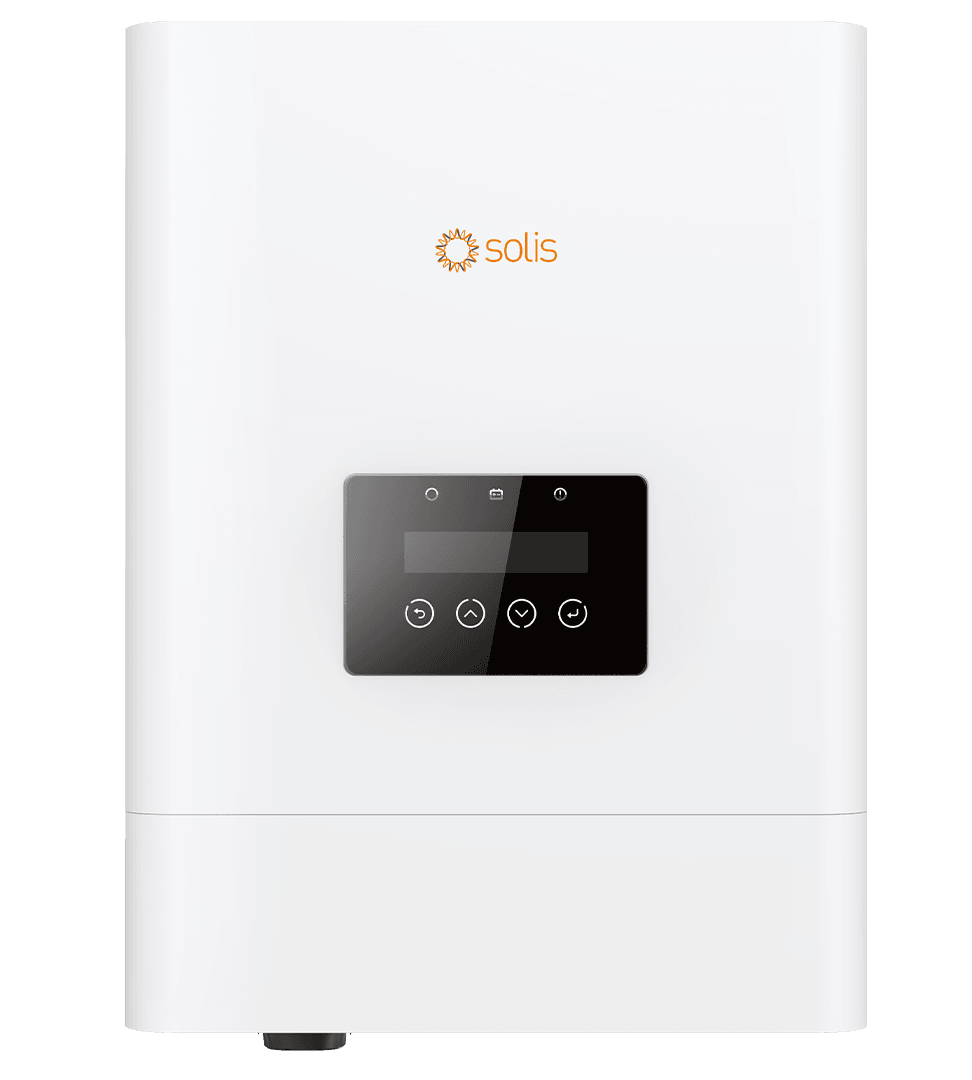
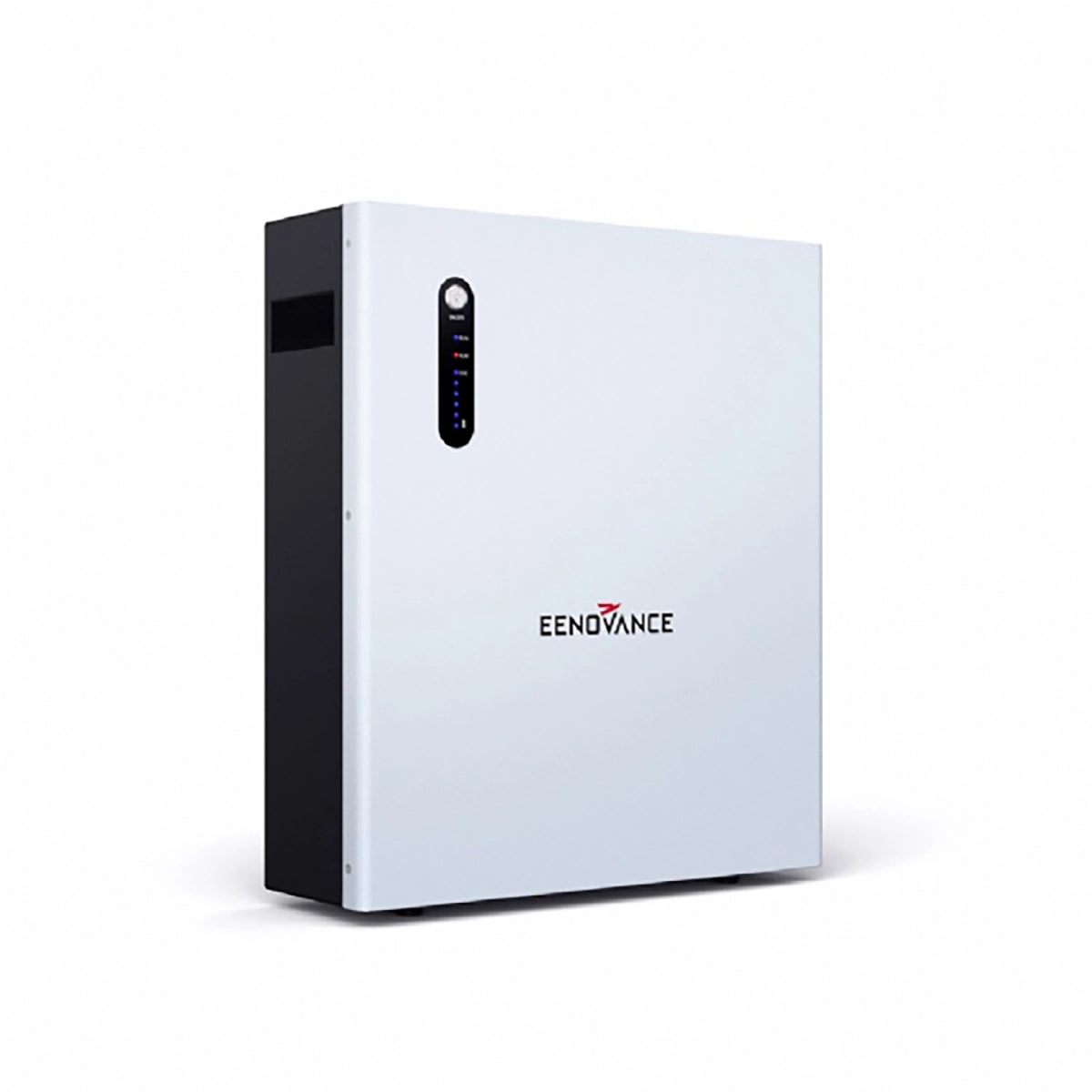
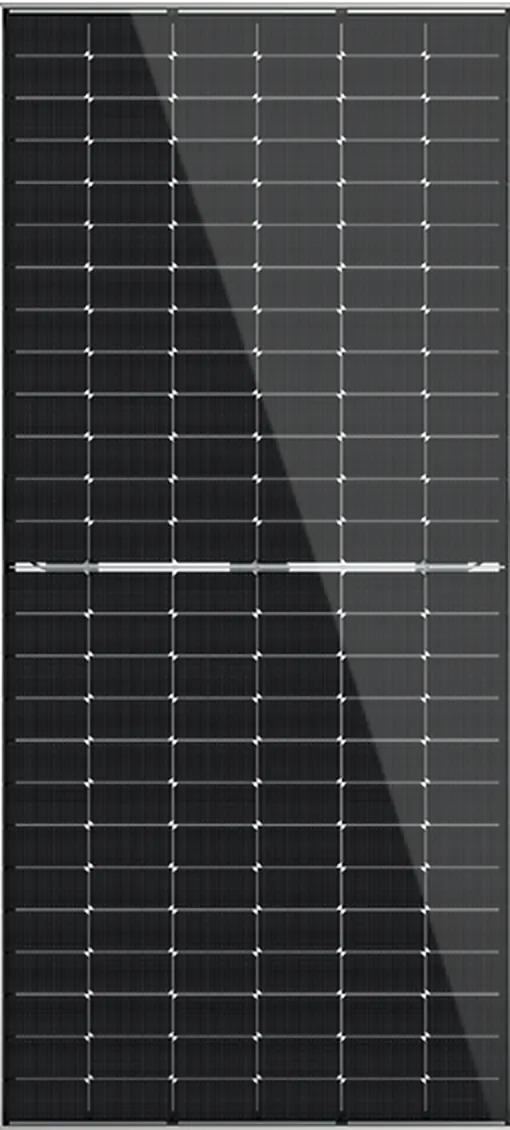
Alumo's current solar-plus-battery rent-to-own range uses a Solis 5kW inverter and Eenovance 5.32kWh battery: Watt-a-Deal has three 615W panels from R1,418/month, The Big Watt has four from R1,487/month, and The Power Bae has six from R1,626/month on a seven-year term. Three- and five-year prices, solar-only configurations and battery-only pricing are available on our current package comparison.
The right choice depends on the numbers on your own bill. Get a free quote → and the assessment will read your tariff and usage rather than guess.
Reading your bill with new eyes
Next time your bill arrives, do this: find the fixed charge, find the energy charge and its rate, and identify whether the rate is flat, stepped or time-of-use. Note your total units for the month. Those few numbers tell you where your money goes and how much of it solar can realistically replace.
Once you understand the structure, the savings conversation becomes concrete rather than hopeful. You'll know whether you're a light user on a gentle tariff or a heavy user being billed at premium top-block rates, and the latter is exactly where solar delivers its strongest return. Get a free quote → to turn your bill's numbers into a proper savings estimate.
Free tool
Estimate your system & savings
Move the slider to your monthly bill for an instant, indicative suggestion.
This is an indicative starting point. The site assessment and signed quote confirm the system, current price, equipment, savings and backup time. Rent-to-own payments increase by 6.5% each year.
Frequently asked questions
Why do I still get a bill after installing solar?
Most grid-tied homes keep their connection as backup, and the fixed or service charge on your tariff is billed regardless of how much power you draw. Solar reduces your energy charges — the usage-based part — but does not remove the fixed connection charge, so a small bill is normal.
What is a stepped or inclining block tariff?
It is a tariff where the price per unit rises as your monthly consumption increases through defined blocks. Your first units are cheaper and your top units are the most expensive, which means cutting usage or covering it with solar saves the most on those premium top-block units.
How do I find out which tariff I am on?
Your tariff name and structure appear on your electricity bill, usually near the charges breakdown, and your municipality or Eskom can confirm it. Look for whether the rate is flat, stepped or time-of-use, and note the fixed charge and the energy rate.
Does a time-of-use tariff make solar more worthwhile?
Often yes, because peak periods are expensive and a battery lets you use stored solar energy during those hours instead of pricey grid power. A system designed around a time-of-use tariff targets the most costly hours of your day.
How accurate are online solar savings estimates?
They are a rough guide at best, because your saving depends on your specific tariff, consumption profile and roof. A proper site assessment gives real figures. SolarGuide is an independent referral partner; Alumo supplies, installs, finances and warrants the systems, and all pricing is indicative and subject to a site assessment and credit approval.
SolarGuide is an independent referral partner. We help you compare options and arrange a free quote — Alumo supplies, installs, finances and warrants the systems. Pricing is indicative, sourced from Alumo’s published catalogue, and subject to a site assessment and credit approval.